Most hot water systems give some warning before they fail: new noises, small leaks, discoloured or lukewarm water, or a switch that keeps tripping. Some of these mean one part needs attention. Others mean the tank itself is wearing out. Knowing the difference helps you decide whether to book a repair or start planning a replacement before you're left without hot water.
Warning signs and what they usually mean
| What you notice | What it can mean | What to do |
|---|---|---|
| Rumbling, popping or crackling from a storage tank | Sediment building up in the bottom of the tank, common in gas and electric storage systems | Ask a plumber to check it and flush the tank if needed |
| New rattling, grinding or loud humming from a heat pump | A fan or compressor problem, or something loose | Check nothing is touching the unit, then contact the manufacturer or a plumber |
| Water pooling under the tank, or rust on the outside | A leaking or corroding tank | Turn off the power or gas and the cold water valve, and call a plumber |
| Relief valve running constantly | A worn valve, or too much pressure or temperature in the tank | Call a plumber. A small release while the tank heats can be normal on some systems; your manual explains what to expect. |
| Brown or rusty hot water | A worn anode and a tank starting to corrode | See our guide to rusty water from your taps |
| Lukewarm water, or running out sooner | A worn element, thermostat or burner part, a tempering valve fault, or a tank too small for current use | Have a plumber or the manufacturer diagnose it |
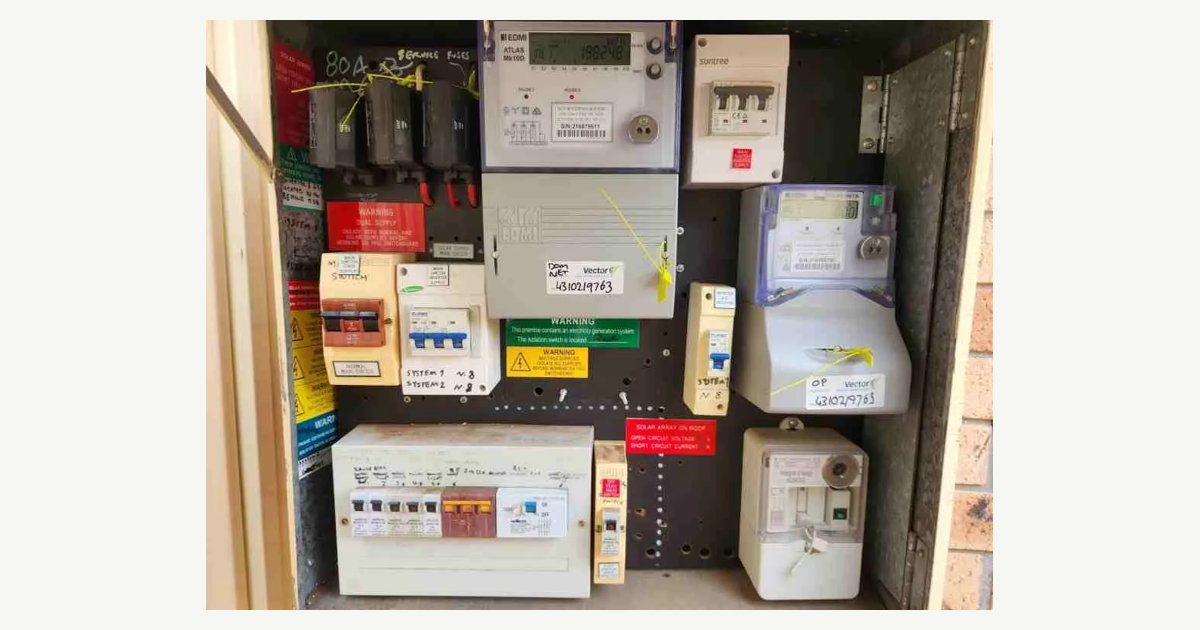
| Circuit breaker or safety switch keeps tripping | An electrical fault, often in the heating element or wiring | Don't keep resetting it. Call a licensed electrician or plumber. |
| An unpleasant smell from the hot water only | Often linked to a reaction between the water and the anode inside the tank | Ask a plumber to check it |
Leaks: the sign not to ignore
A leak from a pipe fitting or valve is often a straightforward repair. A leak from the tank itself is different. It usually means the inner tank has corroded through, and a tank can't normally be patched. A leaking tank can also give way without much warning. Turn off the power or gas to the system, close the cold water isolation valve and call a licensed plumber.
Lukewarm water and running out early
If the water never gets properly hot, or runs out sooner than it used to, the cause can be a failing element or thermostat on an electric tank, a burner or gas control problem on a gas tank, a fault in the tempering valve that mixes hot and cold water before it reaches the bathroom, or sediment taking up room in the tank. It can also simply be that your household now uses more hot water than the system was sized for.
Turning the tank temperature up isn't the fix, and turning it down to make the hot water last isn't safe. Our guide to adjusting the hot water temperature explains why.
How old is your system?
The data plate on the tank shows the brand and model, and often a manufacture date or a serial number the manufacturer can use to date it. The manufacturer's warranty terms give a rough idea of how long the tank is designed to last. A system that is past its warranty and showing several warning signs at once is usually closer to replacement than repair.
Repair or replace: how to think it through
Repair usually makes sense when:
- the system is relatively young and the tank is sound
- one part has failed, such as an element, thermostat, valve or igniter, and parts are available
- it's still under the manufacturer's warranty (contact the manufacturer first)
Replacement usually makes more sense when:
- the tank is leaking or corroded
- it has needed several repairs and new faults keep appearing
- it's past the age the manufacturer expects and the warning signs are adding up
- your household's hot water needs have changed
- you want to reduce the electricity or gas used to heat your water
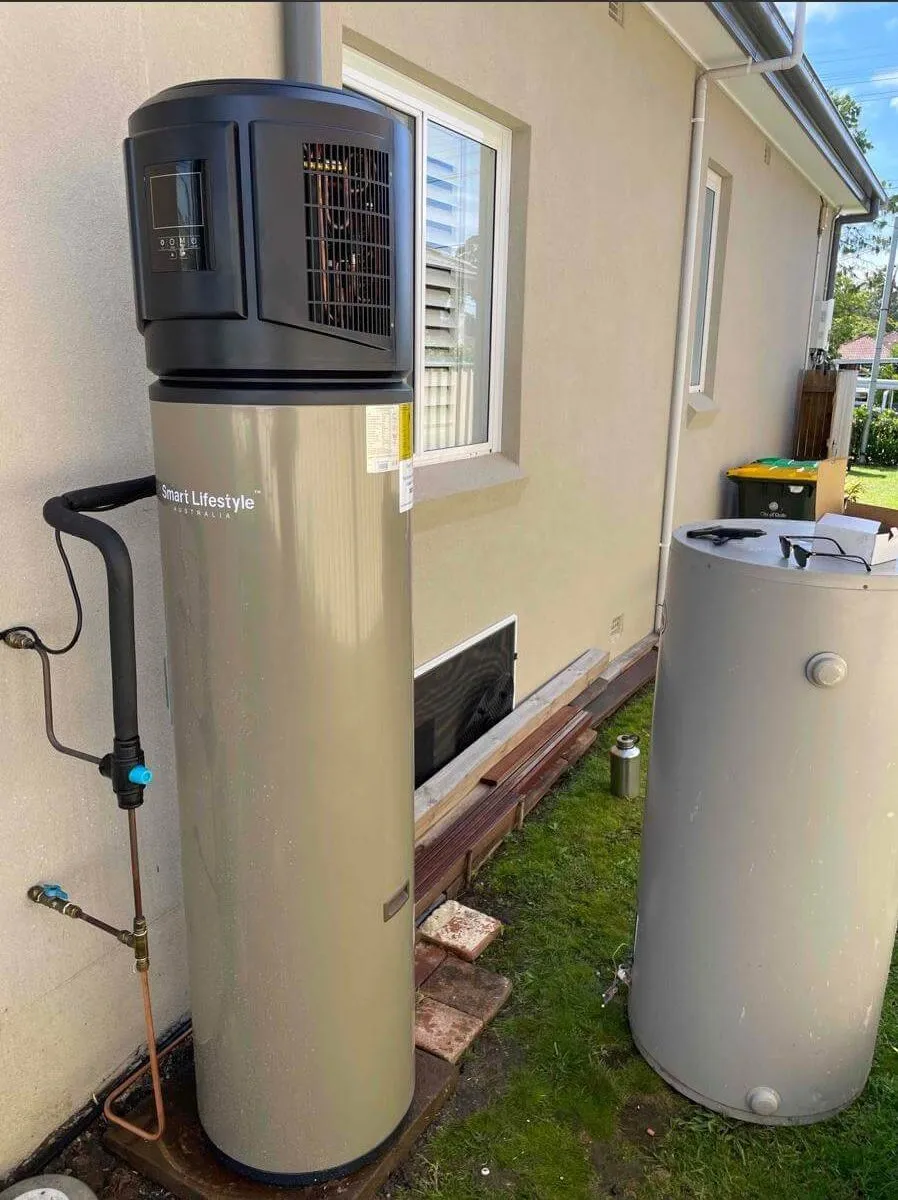
Planning ahead matters. If the tank fails suddenly, you may have to take whatever replacement can be fitted that day. Replacing on your own timeline gives you room to compare systems, check whether a rebate or discount may apply and get written quotes.
What to do next
For a diagnosis or repair, contact a licensed plumber, or the manufacturer if the system is under warranty. Have the brand, model and age ready, plus a description of what you've noticed. If you have no hot water right now, start with our step-by-step checks. Regular servicing helps catch many of these problems early; see why servicing matters.
How Le Water can help
If replacement is the realistic option, we supply and install heat pump hot water systems across metropolitan Melbourne. Tell us what you have now and how your household uses hot water, and we'll recommend a suitable system and quote the whole job in writing, including removal of the old one and any rebate or discount that may apply. Read about rebates and eligibility or compare our current heat pump range.