Brown, orange or rusty-looking water usually means iron is getting into the water somewhere between the mains and your tap. A quick test at the tap tells you where: your hot water system, the pipes in your home, or the street supply. Each one has a different fix.
Step 1: find out which taps are affected
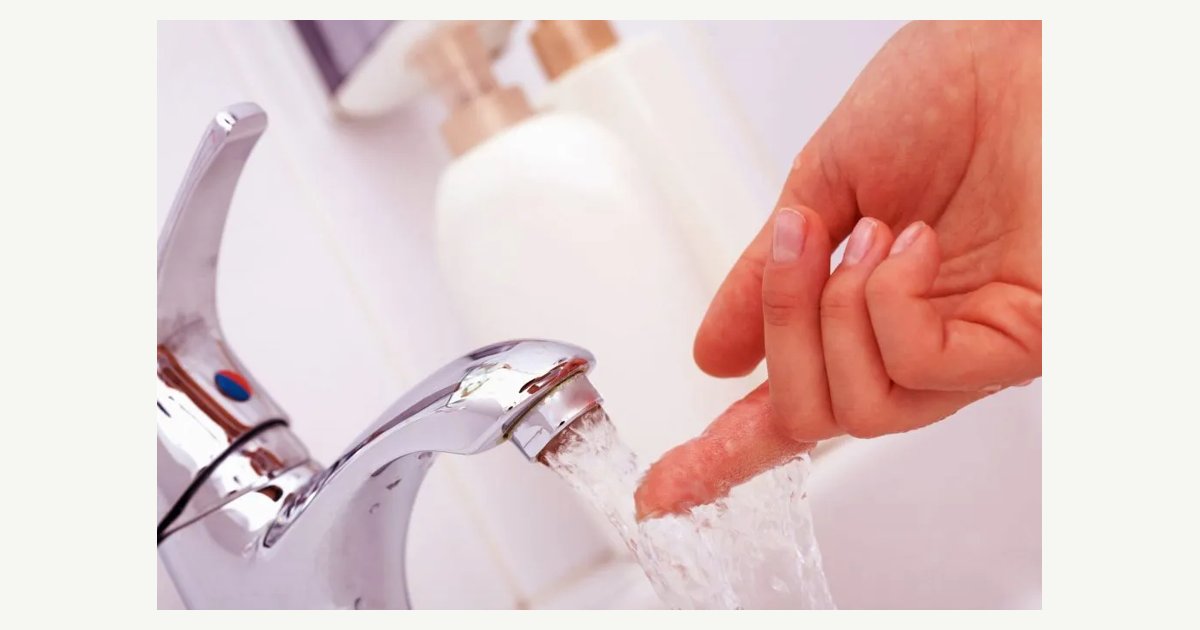
Pick a tap where you noticed the discoloured water and fill a clear glass from each side.
- Cold first. Fill a glass with cold water and look at the colour. Let the cold tap run for a minute, then fill another glass.
- Then hot. Run the hot tap for a minute and fill a third glass.
- Compare. Hold the glasses against something white and compare them.
What the results usually mean
| What you see | Likely source | What to do |
|---|---|---|
| Only the hot water is discoloured | The hot water system, often a corroding tank | Have the system checked by a licensed plumber |
| Hot and cold are discoloured, and it clears after running | Pipes inside your home | Ask a plumber to inspect the pipework |
| Hot and cold stay discoloured, and neighbours have it too | The mains supply, for example after work on the street | Contact your water retailer |
Why storage tanks rust
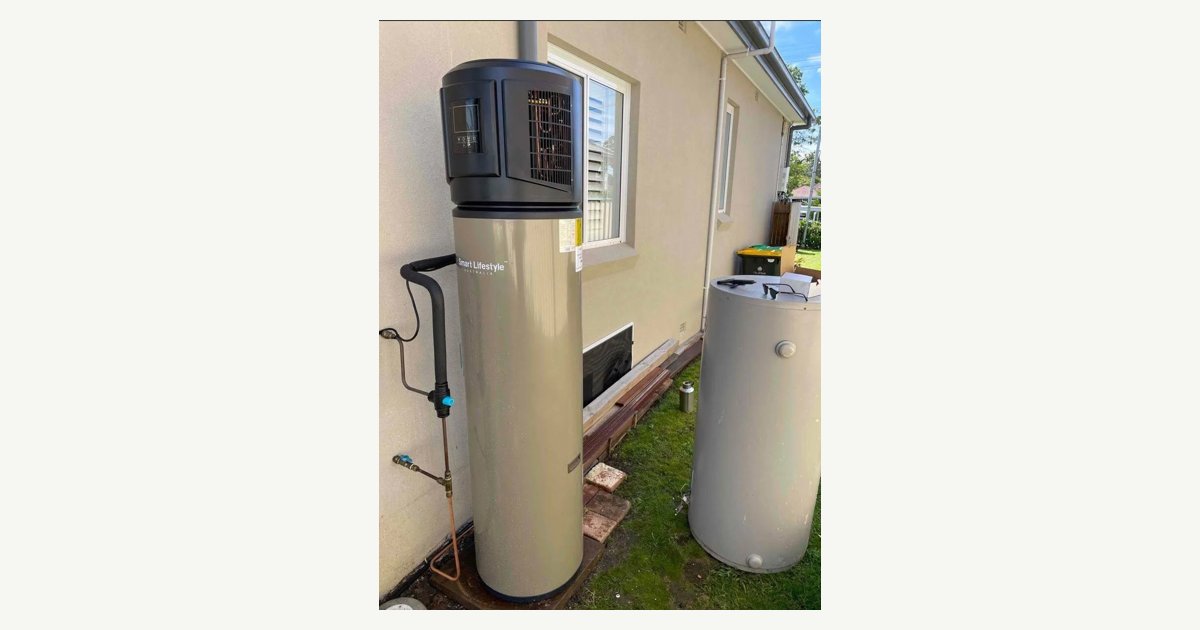
Most electric, gas and heat pump storage tanks are steel with a protective lining inside. They also have a sacrificial anode: a metal rod that corrodes on purpose so the tank doesn't. Over the years the anode wears away. Once it is spent, the tank itself can start to corrode, and rusty hot water is often one of the first signs.
Your water also plays a part. Water softeners and some water supplies can make an anode wear faster. The manufacturer's manual for your system says how often the anode should be checked.
Is it time to replace the system?
If the anode is worn but the tank is sound, a plumber may be able to replace the anode and flush the tank. If the tank is corroding, repair usually isn't practical. Signs that replacement is the realistic option include:
- rusty hot water that comes back after flushing
- moisture, rust stains or a leak around the base of the tank
- a system that is well into its second decade, or past the age the manufacturer expects
- other problems at the same time, such as running out of hot water sooner than it used to
A tank that is leaking or showing rust on the outside can fail without much warning, so don't leave it too long.
Keep it safe
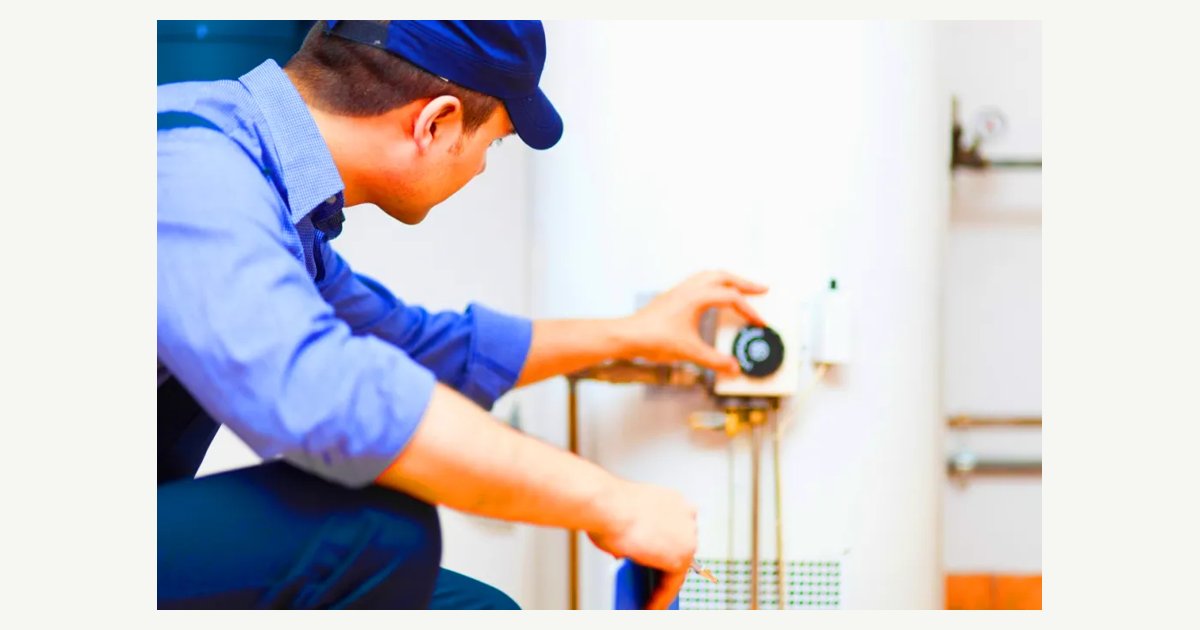
Don't open the tank, remove the anode or touch electrical parts yourself. Hot water systems run at high temperatures and pressures and are connected to mains power or gas. If water is leaking, turn off the power or gas to the system and the cold water supply valve, then call a licensed plumber. If you're worried about the quality of your mains water, your water retailer is the right contact.
How Le Water can help
If your hot water system needs replacing, we supply and install heat pump hot water systems across metropolitan Melbourne. Tell us what you have now and how your household uses hot water, and we'll recommend a suitable system and quote the whole job in writing, including removal of the old tank. You can compare our current heat pump range or read how installation works.