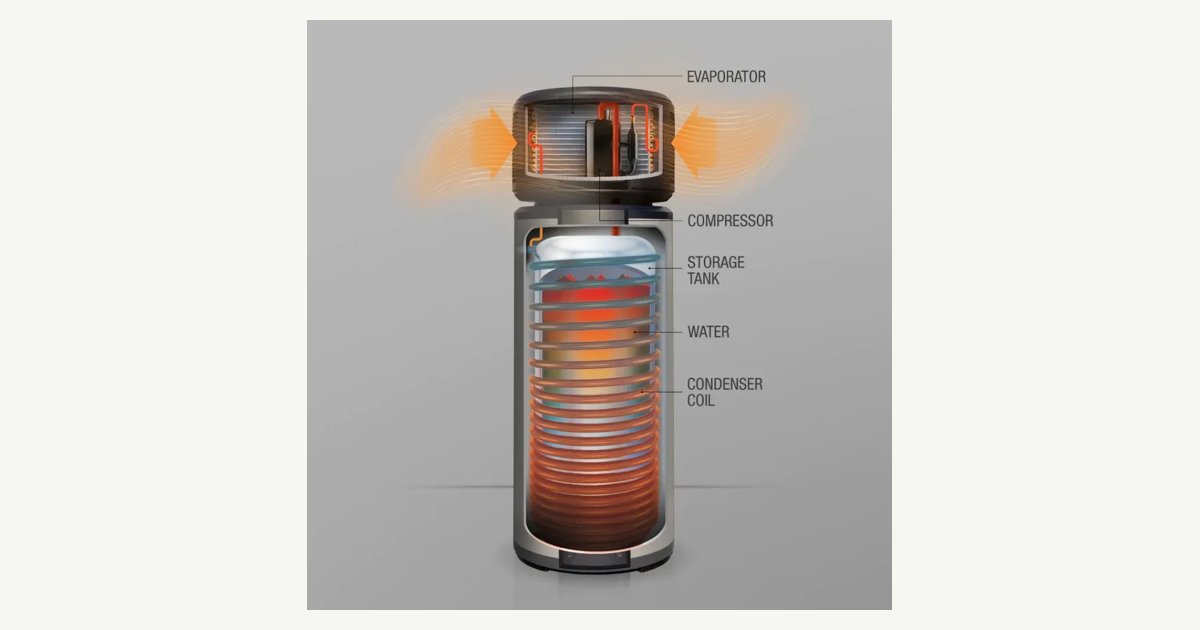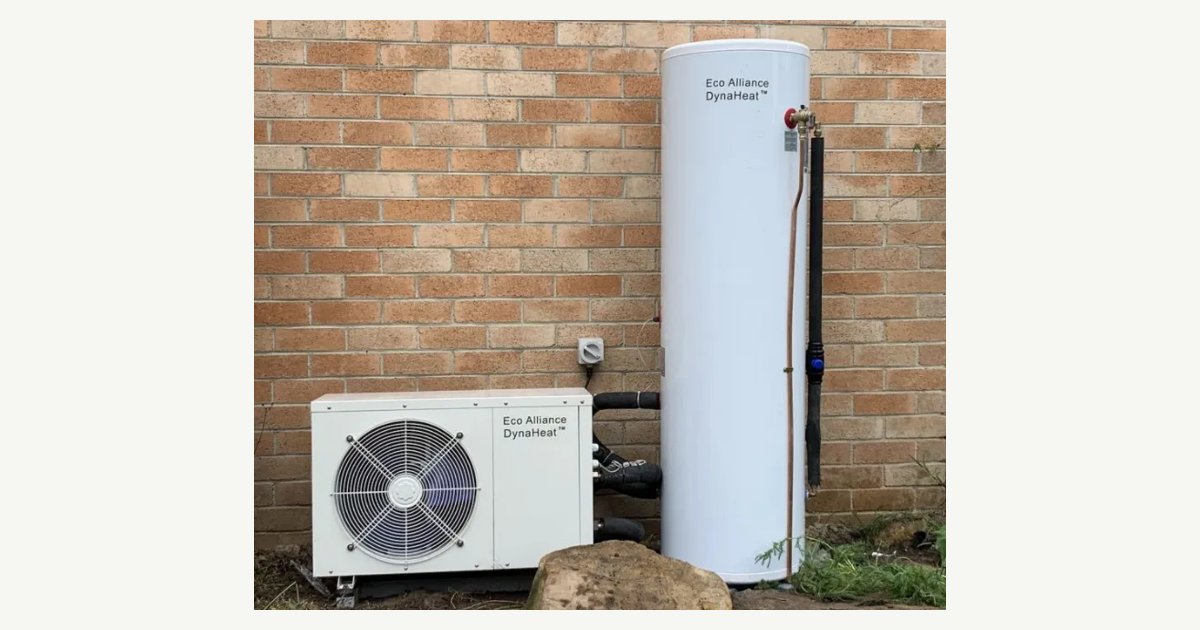
There's no single answer to how much a heat pump will cost to run, or how it compares with what you pay now. It depends on your current system, your tariff and how your household uses hot water. What we can say is that a heat pump moves heat rather than making it, so it typically uses much less electricity than an electric storage tank to heat the same water. This guide shows you how to think it through for your own home.
What you'll need
- Your current system. Electric storage, gas storage, gas continuous flow or solar with a booster, and roughly how old it is.
- A recent electricity bill, and a gas bill if you have gas. Look for the price per kilowatt-hour on each tariff, the daily supply charges, any controlled-load (off-peak) line and, if you have solar, your feed-in rate.
- How your household uses hot water. How many people, how many showers and when, baths, and whether the washing machine uses hot water.
Step 1: what you spend on hot water now
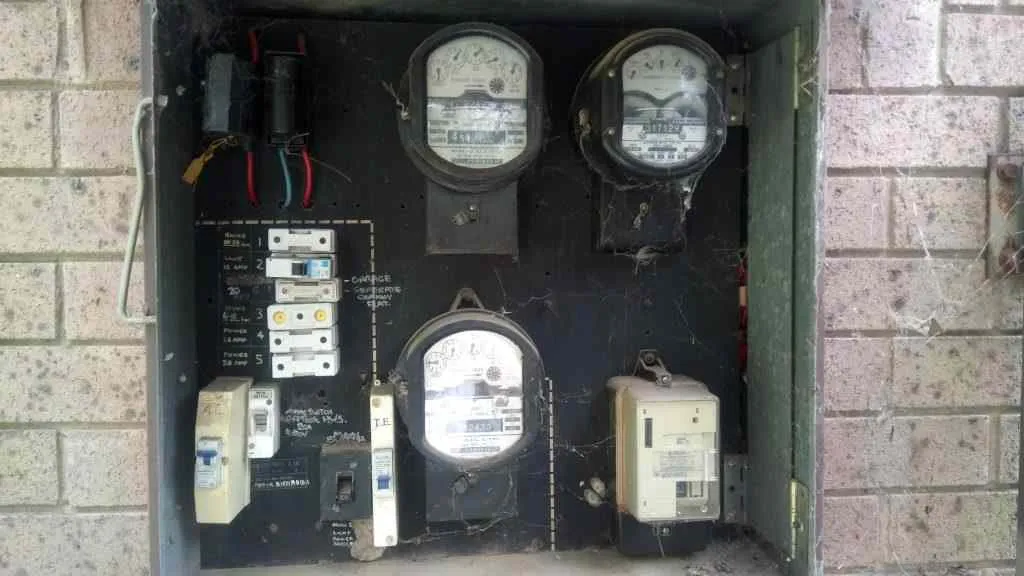
Electric tank on off-peak. Many electric tanks are on a controlled-load circuit with its own meter or tariff, so your bill may show hot water use as a separate line. That's the easiest starting point.
Electric tank on the general tariff. Hot water is mixed in with everything else on the bill. Water heating is often one of the bigger energy uses in a home, but you can't read it straight off the bill.
Gas. If gas only runs your hot water, the gas bill is close to your hot water cost. If it also runs cooking or heating, the share is harder to separate. Note the daily supply charge too: if hot water is your last gas appliance and you switch to a heat pump, you may be able to close the gas account. Ask your retailer how that works.
Step 2: what a heat pump would use
Ask for the proposed model's published performance information and how it applies to your climate. A heat pump's electricity use changes through the year: it works harder in winter, when the air is colder and you probably use more hot water, and less in summer. If the model has a boost element, ask when it switches on, because that part runs like an ordinary electric tank.
Step 3: price it on your tariff
The same electricity can cost quite different amounts depending on when and how you buy it:
- Controlled load. A cheaper rate, but power is only supplied at set times. Some heat pumps suit this; others don't.
- General (flat) tariff. The heat pump can run whenever it needs to, at your usual rate.
- Time-of-use. Rates vary through the day. A timer can run the heat pump in cheaper periods.
- Rooftop solar. Running the heat pump on your own solar means buying less from the grid. That electricity isn't without value, though: it's the feed-in credit you'd otherwise have earned by exporting it. See heat pump hot water and rooftop solar.
Why results vary so much
- Climate and season. Colder air means more electricity for the same hot water.
- Tariff and timer settings. The rate you pay and when the system runs.
- Solar. How much daytime surplus you have, and your feed-in rate.
- How much hot water you use. Long showers and baths add up whatever the system.
- Settings. Water temperature, boost element use and any high-temperature cycle.
- The model and installation. Different designs perform differently, and siting affects airflow.
- What you're replacing. The comparison with gas depends on gas and electricity prices, and supply charges.
Why we don't publish savings figures
Headline numbers usually assume a particular household, tariff and climate. Change any one of them and the figure changes, sometimes a lot. Rather than give you a number that may not apply, we'd rather explain the inputs and help you work through them for your home. If someone gives you an estimate, ask what tariff, hot water use and climate it assumes.
Running costs aren't the whole picture
The decision also depends on the upfront price, any rebate, the age and condition of your current system, and how long you plan to stay. Read what affects the price of a heat pump system and is upgrading your hot water system worth it? For how a heat pump compares with gas and solar more broadly, see heat pumps vs other hot water systems.
How Le Water can help
We supply and install heat pump hot water systems across metropolitan Melbourne. If you share what you have now, your tariff and how your household uses hot water, we can explain which model and setup would suit, how a timer or your solar could be used, and what the whole job involves. Every quote is in writing, including any rebate. A recent bill helps but is optional.