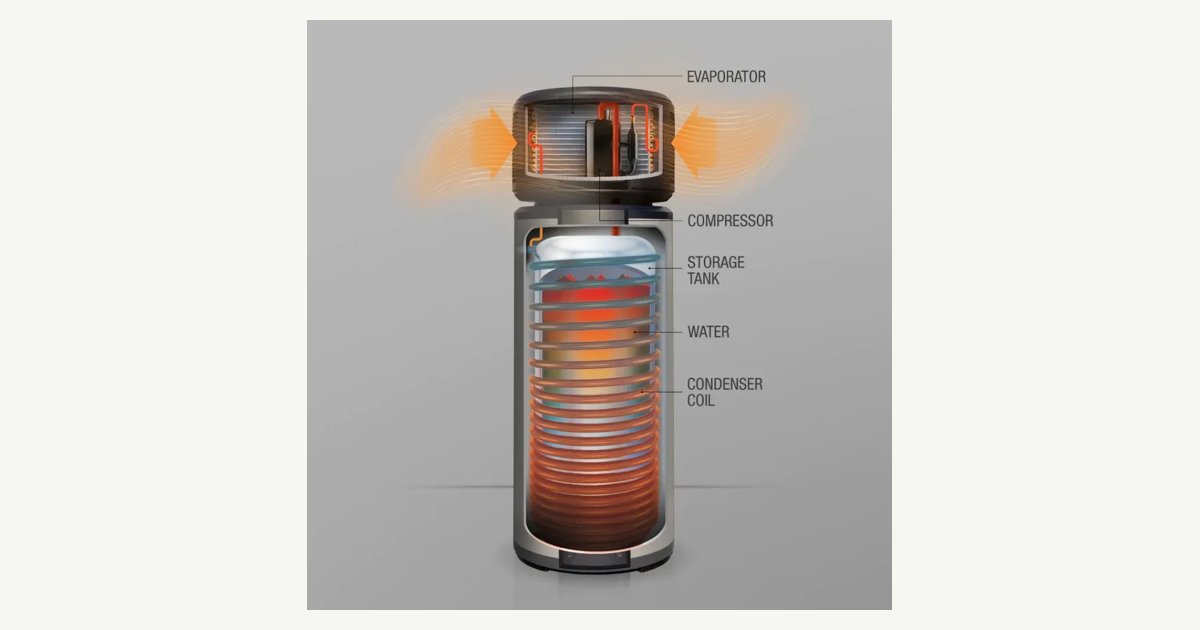
The price of a supplied-and-installed heat pump depends on two things: the system itself, and the work needed to fit it at your home. Two quotes for the same model can differ because one site needs a new base, a longer pipe run or switchboard work and the other doesn't. That's why we don't publish a price list. Here's what moves the price, so you can read a quote with confidence.
The system itself
- Model and size. Larger storage generally costs more, and models differ in components, controls and warranty terms.
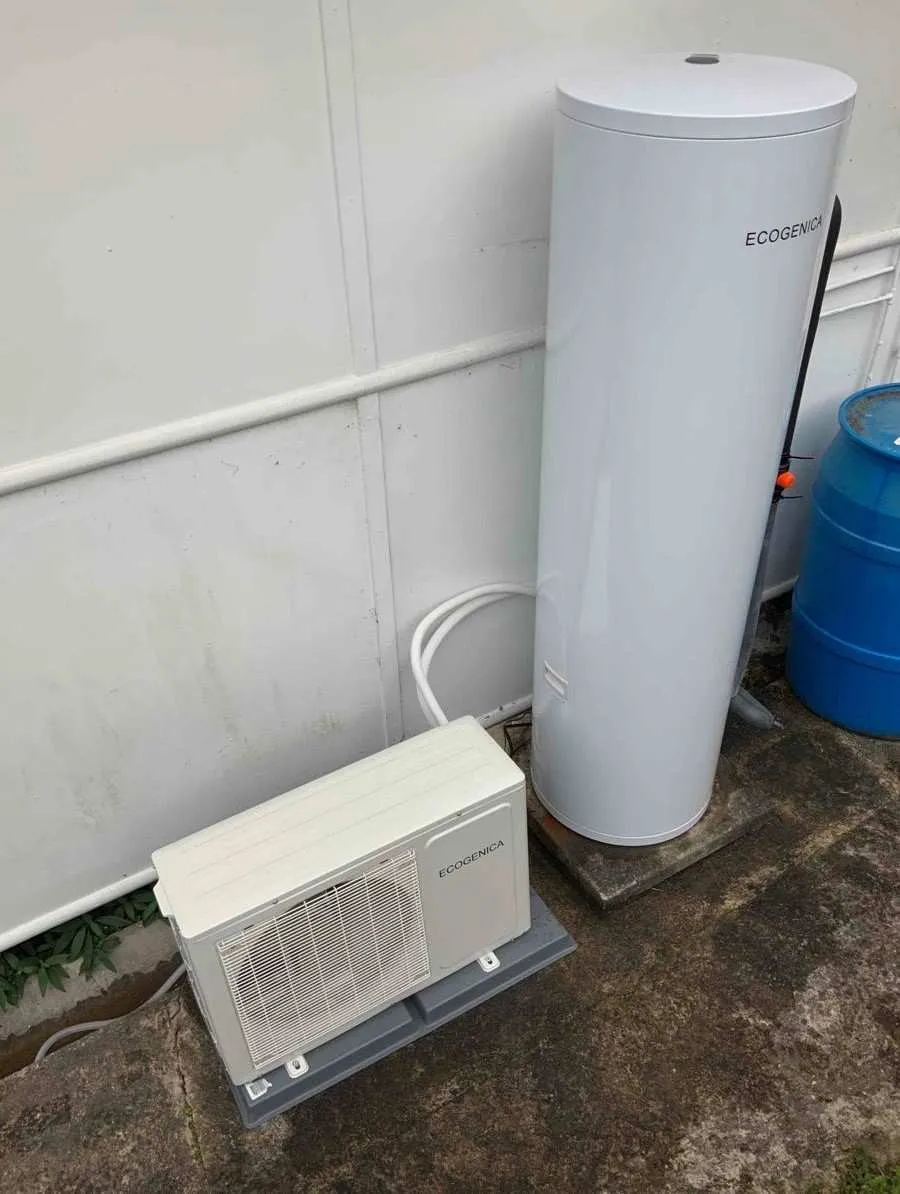
- All-in-one or split. An all-in-one is a single unit. A split system has a tank and a separate outdoor unit, with pipework to run between them, which usually adds installation work.
- Features. A boost element, Wi-Fi control or a higher-capacity version can change the price. Pay for features that suit how you'll use the system.
Our buyer's guide explains how to choose between system types, and how to choose the right size helps you avoid paying for more tank than you need.
Getting it in place
- Site access. Narrow side passages, steps, steep blocks, tight gates and upper-level locations make it harder to remove the old tank and move the new one in.
- Location. Installing in the same spot as the old system is usually simplest. Moving it means new pipe runs, and possibly new electrical cabling and drainage.
- Base or slab. A heat pump needs a stable, level base that can take the weight of a full tank. An existing slab may be reusable, or a new base may be needed.
Plumbing work
Every installation connects the cold supply and hot outlet, but the extras vary. A quote may include a tempering valve (new bathroom outlets are usually limited to 50°C), pressure-limiting or non-return valves, isolation valves, a drain for the relief valve, and a drain for condensation from the heat pump. Old or corroded pipework near the tank may need replacing to make a sound connection.
Electrical and switchboard work
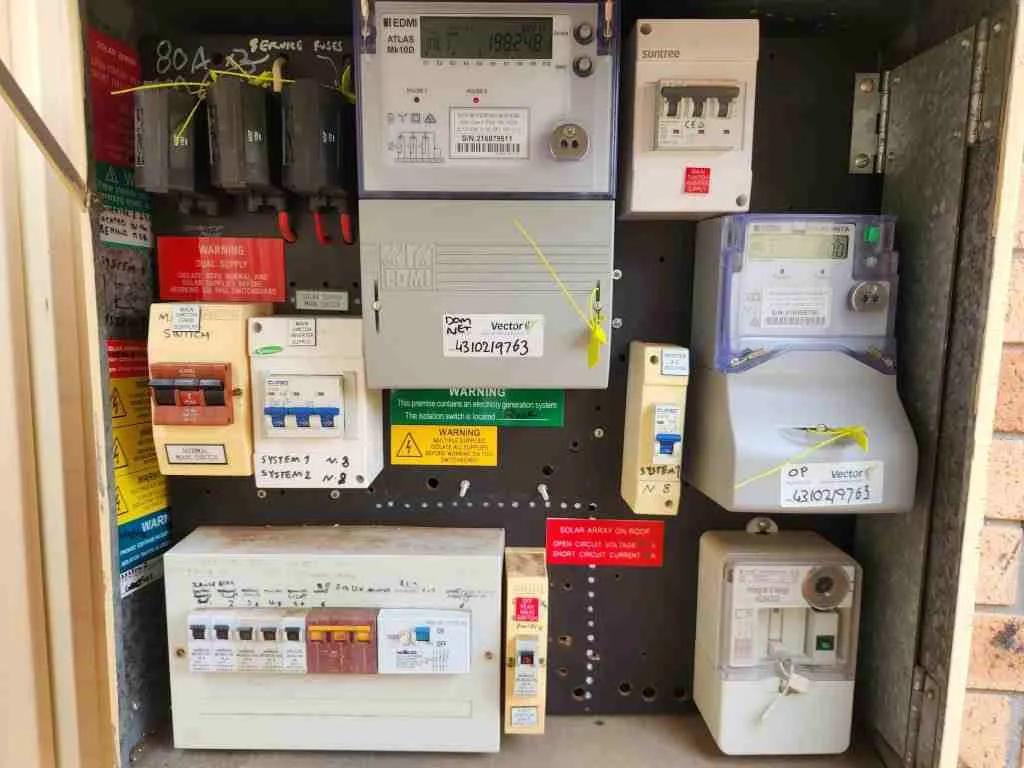
Some installations reuse the existing hot water circuit. Others need a new circuit, an isolating switch, or a change from an off-peak (controlled-load) circuit to a general supply, depending on the model and your tariff. Replacing a gas system usually means new electrical work. Older switchboards may need upgrading to make room for the circuit or meet current requirements. Switchboard work is assessed separately and should be itemised.
Removing the old system
The old unit has to be drained, disconnected, removed and disposed of. A gas system must be safely disconnected and the gas line capped by a licensed gasfitter. Removing roof-mounted solar collectors involves working at height. A tank in a cupboard or under the house can take more effort to get out. Check that removal and disposal are included.
Rebates and discounts
Government programs may reduce the price for eligible households, such as Victorian Energy Upgrades hot water discounts and the Solar Victoria hot water rebate. What applies depends on the program, your property, your old system and the model, and the rules change. The quote should show any discount and the amount you pay. See our rebates page.
Reading and comparing quotes
| Check | Why it matters |
|---|---|
| Full model number and storage volume | Similar names can mean different equipment |
| Installation scope | Base, plumbing, valves, electrical and drainage should be listed |
| Switchboard work | Often priced separately; ask whether it's needed |
| Old system removal | Draining, disconnection, gas capping and disposal |
| Exclusions | What isn't included, and what happens if something unexpected comes up |
| Rebate and your contribution | The discount and the amount you pay, in writing |
| Warranty and workmanship | Manufacturer terms for the model, and the installer's own cover |
A lower price that leaves out the base, valves or old-system removal may not be lower once those are added. Compare like with like.
How Le Water can help
We supply and install heat pump hot water systems across metropolitan Melbourne, and every job is quoted individually in writing. The quote sets out the equipment, the installation work, removal of the old system, any extra work, exclusions, warranty terms and any rebate, so you know the full scope before you decide. Photos of your current system help us quote accurately but are optional. Read how installation works, or if you're still deciding whether to replace at all, see is upgrading worth it?