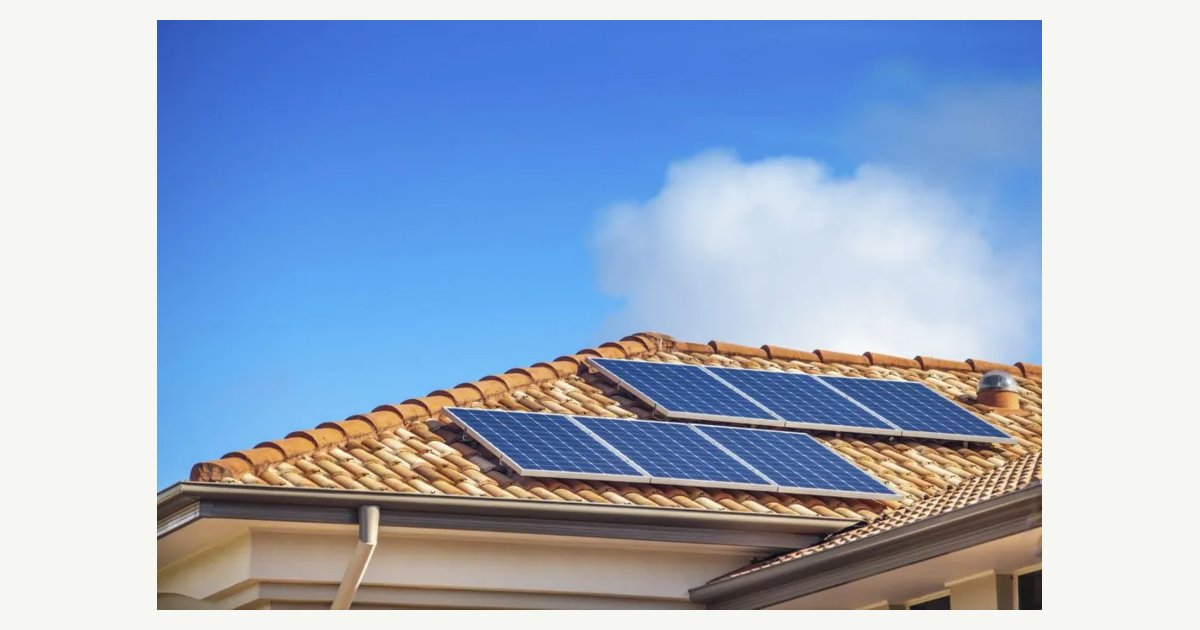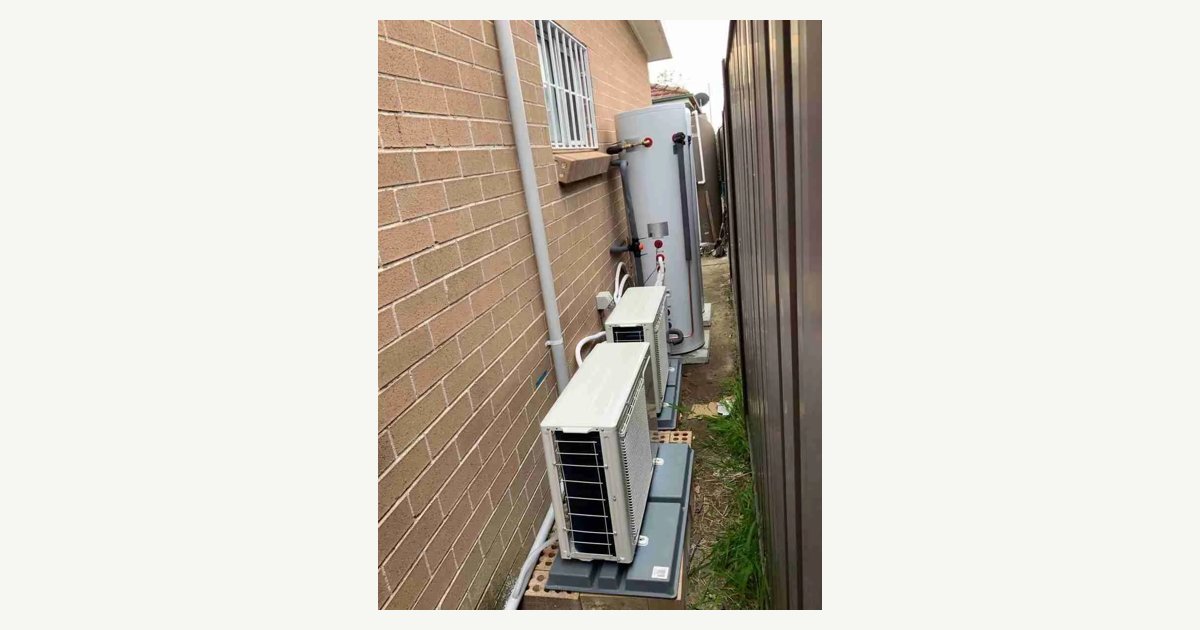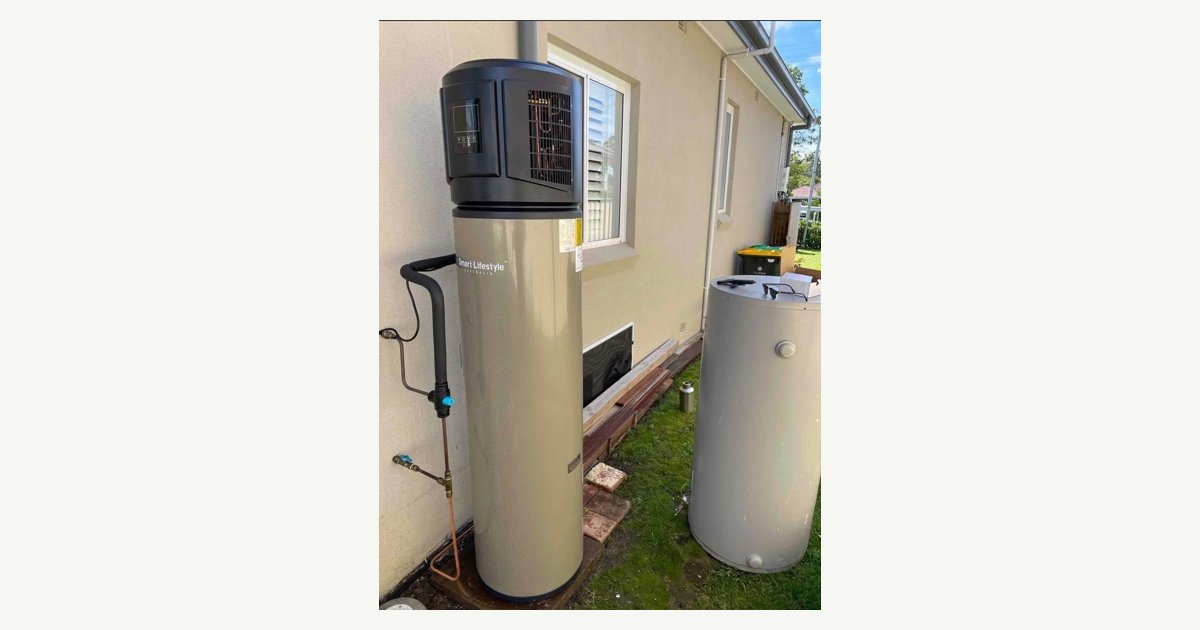
A solar water heater can cut the energy you buy to heat water, because the sun does much of the heating and a gas or electric booster only tops it up when needed. Whether it's worth it for your home depends on your roof, your climate, how much hot water you use, the booster, your energy tariff, the upfront cost and any incentives you may be eligible for. For some homes a heat pump is the simpler choice. Here's how to tell which way you lean.
How solar hot water works
Solar collectors on the roof absorb heat from the sun. Water, or a heat-transfer fluid, carries that heat to an insulated storage tank, where it's kept until you turn on a tap. When the sun can't keep up, for example on cloudy winter days, a booster heats the water the rest of the way. Boosters run on gas or electricity.
There are two main layouts:
- Close-coupled. The tank sits on the roof just above the collectors. Hot water rises naturally into the tank, so there's no pump. The roof has to carry the weight of a full tank.
- Split (pumped). The tank stays on the ground and a small pump, run by a controller, moves water or fluid between the collectors and the tank. Only the collectors go on the roof.
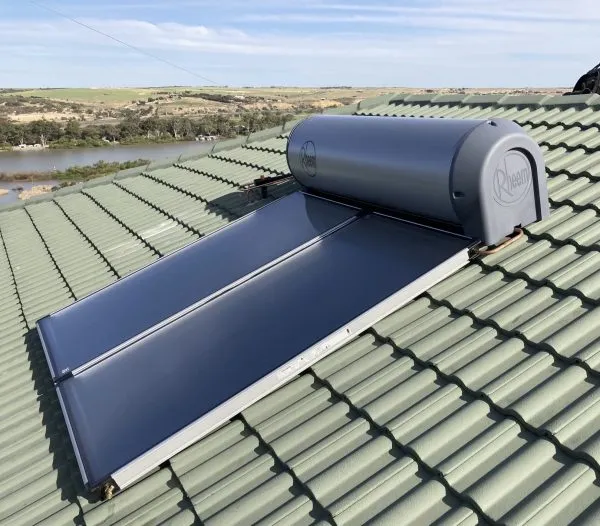
Flat plate or evacuated tube collectors
| Flat plate | Evacuated tube | |
|---|---|---|
| What it looks like | A flat, glass-covered panel with a dark absorber inside | Rows of glass tubes, each with a vacuum layer for insulation |
| Cold weather | Loses more heat to cold air | The vacuum holds heat in, which helps in cooler conditions |
| If one part is damaged | Usually the whole panel is replaced | In many designs a single tube can be replaced |
Neither type is right for every home. Climate, roof space, budget and the specific model matter more than the label. Our guide to vacuum tube solar water heaters goes into more detail.
What decides whether it pays off
- Your roof. Collectors gather the most heat when they face north with little or no shade. A roof facing the wrong way, or shaded by trees or buildings, collects less heat.
- Climate and season. In winter there's less sun, so the booster does more of the work.
- How much hot water you use. A household that uses more hot water has more heating for the sun to take on.
- The booster and its settings. A booster that switches on before the sun has had a chance can undo much of the benefit. Ask how the booster is controlled and whether a timer suits your routine.
- Your tariff and energy prices. What you pay for gas or electricity affects the value of the energy the sun replaces.
- Upfront cost and incentives. Solar systems usually cost more to buy and install than a like-for-like electric tank. Eligible systems may create federal STCs, and state programs such as the Solar Victoria hot water rebate may also apply. Rules change, so check what's current.
- Upkeep. Follow the manufacturer's manual for checks such as the relief valve, anode and frost protection.
When a heat pump may suit better
A heat pump heats water by moving heat from the outside air, so it doesn't need direct sun on the roof. It may be the better fit if:
- your roof faces the wrong way, is shaded or has little space
- you'd rather avoid roof work and keep everything at ground level
- you already have rooftop solar panels and can run a heat pump on a timer during the day
- you want one unit to replace an existing electric tank in the same spot
A heat pump needs an outdoor spot with good airflow, and its fan and compressor make some noise. It usually uses less electricity than an electric storage tank to heat the same water; the difference depends on the model, climate, tariff and how you use hot water. See our current heat pump range or compare system types.
When solar hot water may suit
Solar hot water tends to make sense when you have a sunny, north-facing roof with room for the collectors, the roof can take the weight if the tank goes up there, and you're happy with a booster for cloudy days. If you're replacing a solar system that has served you well, staying with solar can be a straightforward choice, though it's still worth comparing it with a heat pump.
How Le Water can help
We install solar hot water systems as well as heat pumps. We don't repair solar systems, so for a fault with an existing one, contact the manufacturer or a licensed plumber. If you're weighing up solar against a heat pump, tell us about your roof, your current system and your household. We'll suggest what suits and set out the whole job and any discount in a written quote. Read more about solar hot water installation. Our installation team works across metropolitan Melbourne; elsewhere, ask us and we'll confirm.