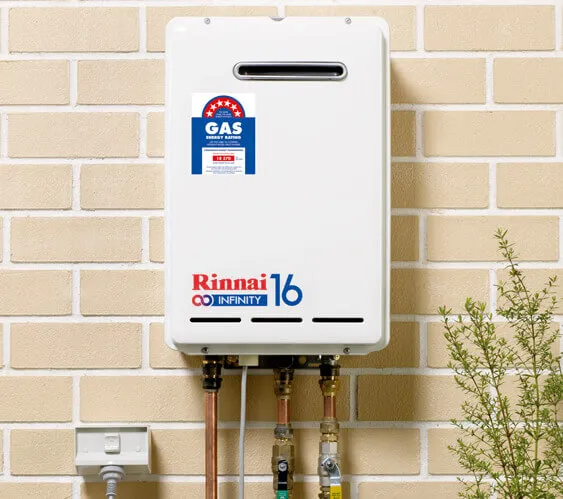
Rinnai is known in Australia for gas continuous-flow hot water, including its Infinity family. Its range also includes Enviroflo heat pumps, solar systems, and gas and electric storage tanks. If you have a Rinnai continuous-flow unit now, or you're deciding between gas and electric, the big choice is continuous flow or heat pump. Rinnai isn't part of Le Water's current range, but here's how the two compare.
Continuous flow or heat pump: how they compare
| Gas continuous flow | Heat pump | |
|---|---|---|
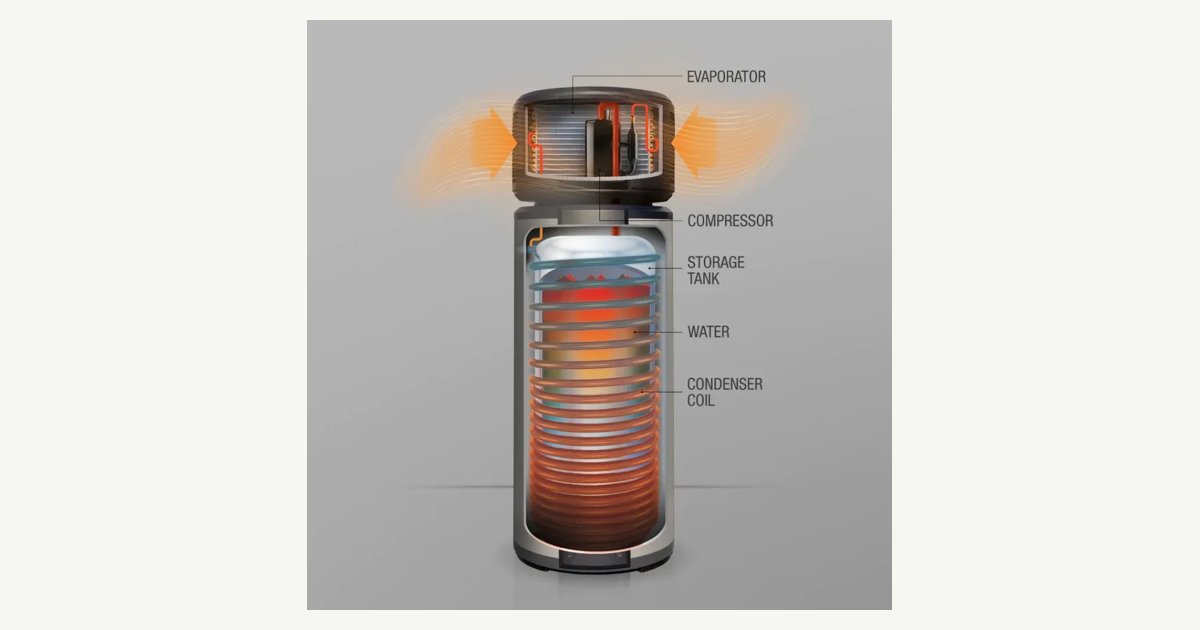
| How it works | A gas burner heats water as it flows through, with no tank | Electricity drives a compressor that moves heat from the air into a storage tank |
| Running out | Doesn't run out, but its flow rate limits how many hot taps run well at once | Can run out if the tank is too small for your household's busiest times |
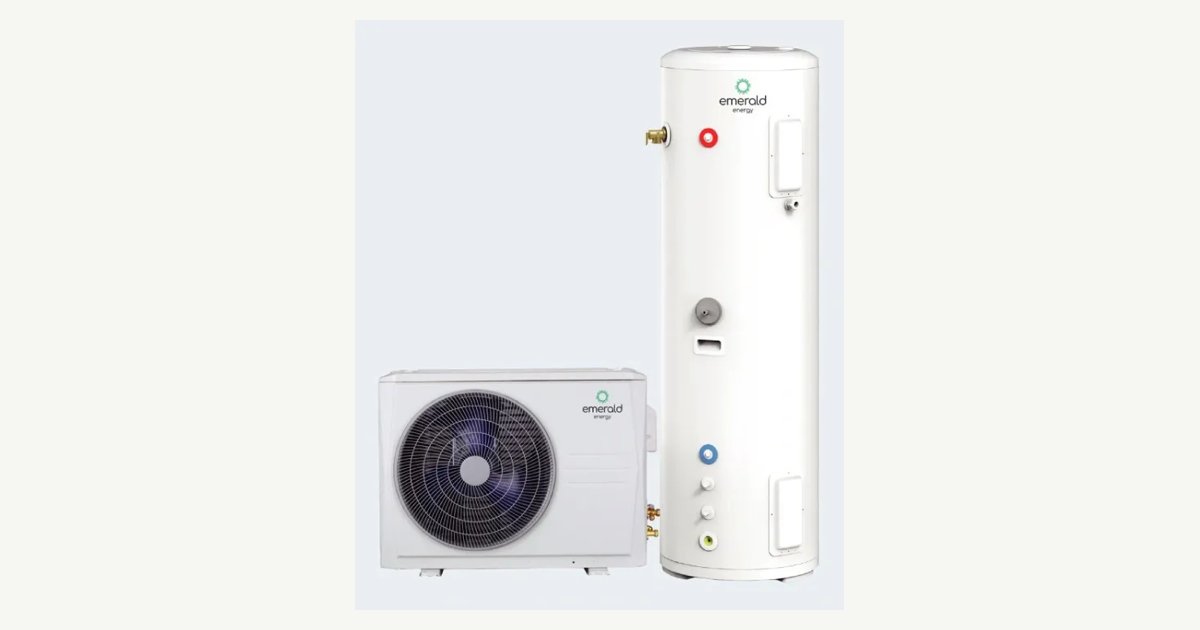
| Space | A compact unit on an outside wall | A tank on the ground with good airflow, or a split system's outdoor unit |
| Energy supply | Mains gas or LPG, plus a power point for the controls | Electricity only, and it can use rooftop solar if timed for daylight |
| Installation checks | Gas meter and pipe size, flue clearances, temperature controllers | Electrical circuit, condensate drain, sound level and airflow |
Which costs less to run depends on your gas and electricity tariffs, the models compared and how you use hot water. Our guide to sizing a tankless water heater explains flow rates.
If you're considering a Rinnai continuous-flow unit
- What flow rate do you need for the showers and taps you run at the same time?
- Can your gas meter and pipework supply the unit at full output? A licensed gasfitter can check.
- Where will it be mounted, and does the flue position meet clearance rules near windows and doors?
- Do you want temperature controllers in the kitchen or bathrooms?
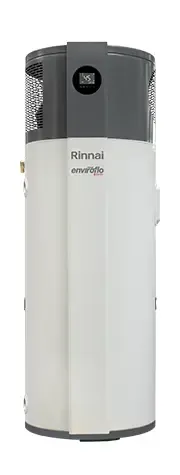
If you're considering a Rinnai Enviroflo heat pump
- What storage volume suits your household, and how long does it take to recover?
- How does it run on cold mornings, and is there a boost element?
- What is the stated sound level, and where will it sit?
- What electrical supply does it need, and can it run on a timer?
For either type, check the current models, manuals and warranty documents on the Rinnai website, including any registration or installation conditions. Cover can differ between parts such as the heat exchanger, tank and labour, so read the document for the exact model.
Rebates
Switching from gas or electric storage to an approved heat pump may make you eligible for Victorian Energy Upgrades hot water discounts or the Solar Victoria hot water rebate. Only listed models qualify, and the rules change. Our rebates page explains how we help check what may apply.
Do I need a tank with continuous flow?
No. A continuous-flow unit heats water on demand, so there's no storage tank. A heat pump, by contrast, always has one.
Can a heat pump replace my gas continuous-flow unit?
Often, if you have ground space for a tank or a split system with good airflow, and a suitable electrical supply. The gas supply to the old unit is disconnected by a licensed gasfitter.
How Le Water can help
We don't list Rinnai in our current range. If you're open to a heat pump, compare our current range of ECONOVA, Ecogenica, Chromagen / Midea and iStore systems, and we're happy to talk through how a Rinnai model you're considering compares. We supply and install across metropolitan Melbourne and quote every job in writing.