Why households switch
- The gas system is old or failing and needs replacing anyway.
- They want to stop relying on gas, or plan to close the gas account altogether.
- They have rooftop solar and want to use more of their own electricity.
- They want to reduce their household emissions.
What changes
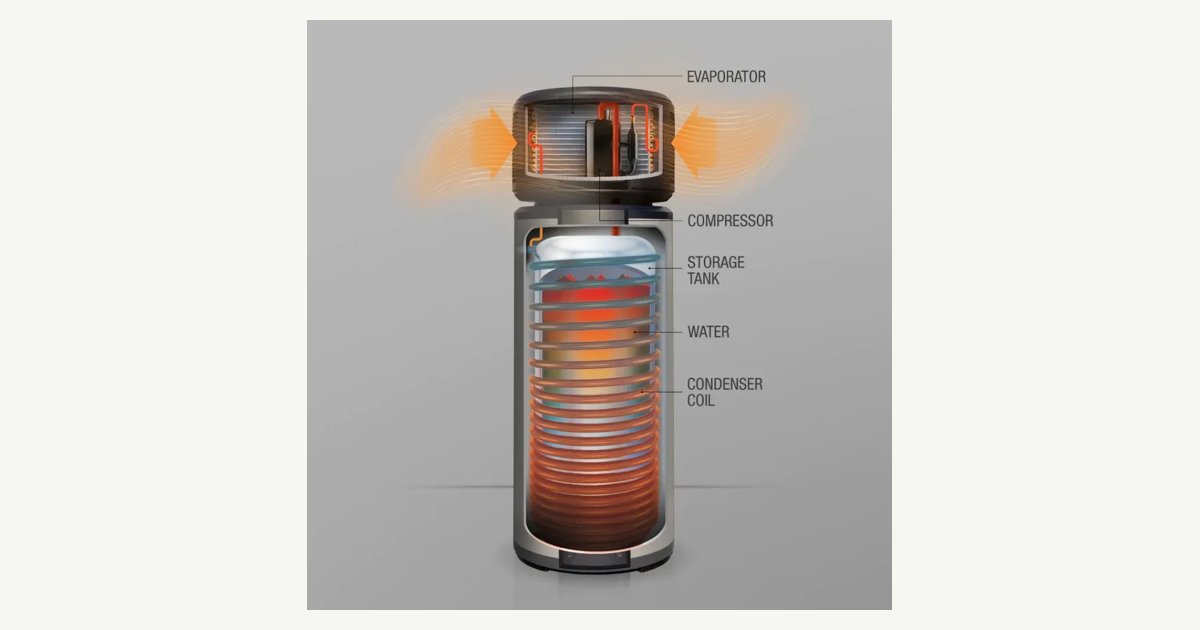
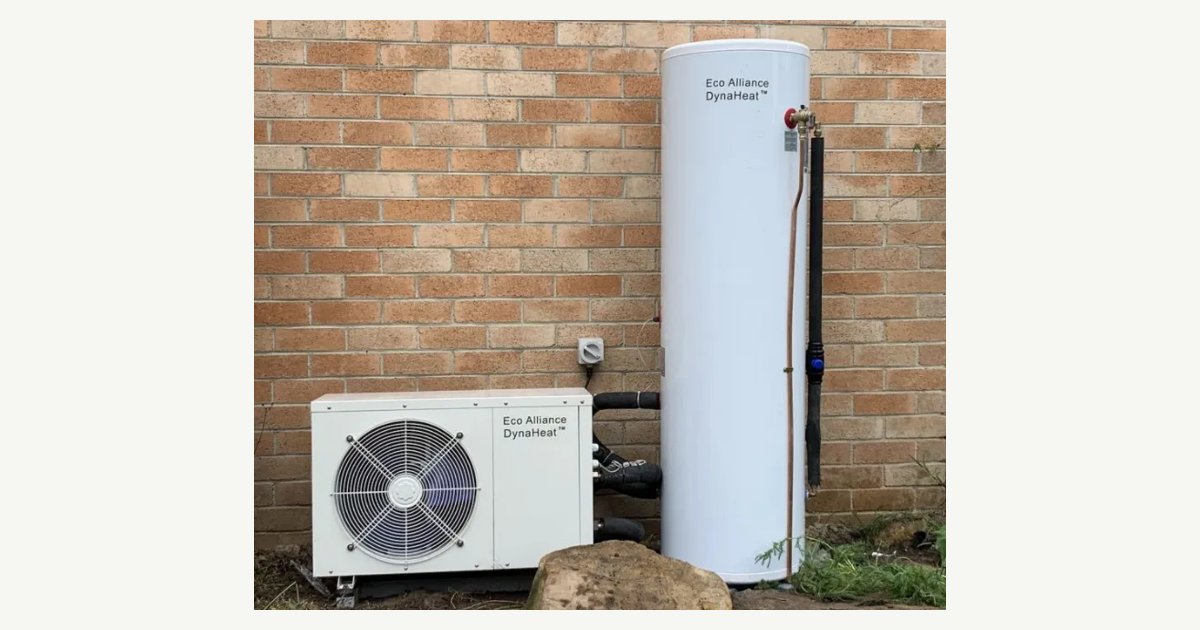
A gas system burns gas to heat water. A heat pump uses electricity to move heat from the air into the water. Instead of a gas line and flue, you need an electrical circuit and an outdoor position with good airflow. Heat pumps heat water more slowly than gas, so a storage tank of the right size matters. We size the system for how your household uses hot water.
What the installation involves
- An assessment of the position, airflow, noise and drainage for the new unit.
- A suitable electrical connection, which may need a new circuit or switchboard work.
- Safe disconnection of the gas appliance by an appropriately licensed person.
- Removal of the old system, connection of the new one, commissioning and handover.
Your written quote says what's involved, who handles the gas disconnection and any extra work. See how installation works.
Running it from rooftop solar
If you have solar panels, a heat pump with a timer can run in the middle of the day, using electricity your panels produce instead of exporting it. How well this works depends on the size of your solar system and what else runs during the day. Read running a heat pump on solar.
Rebates
Victorian programs may offer discounts for replacing gas hot water with an eligible heat pump. Eligibility depends on the program rules, your property and the model. See how rebates work and the official Victorian Energy Upgrades hot water page.