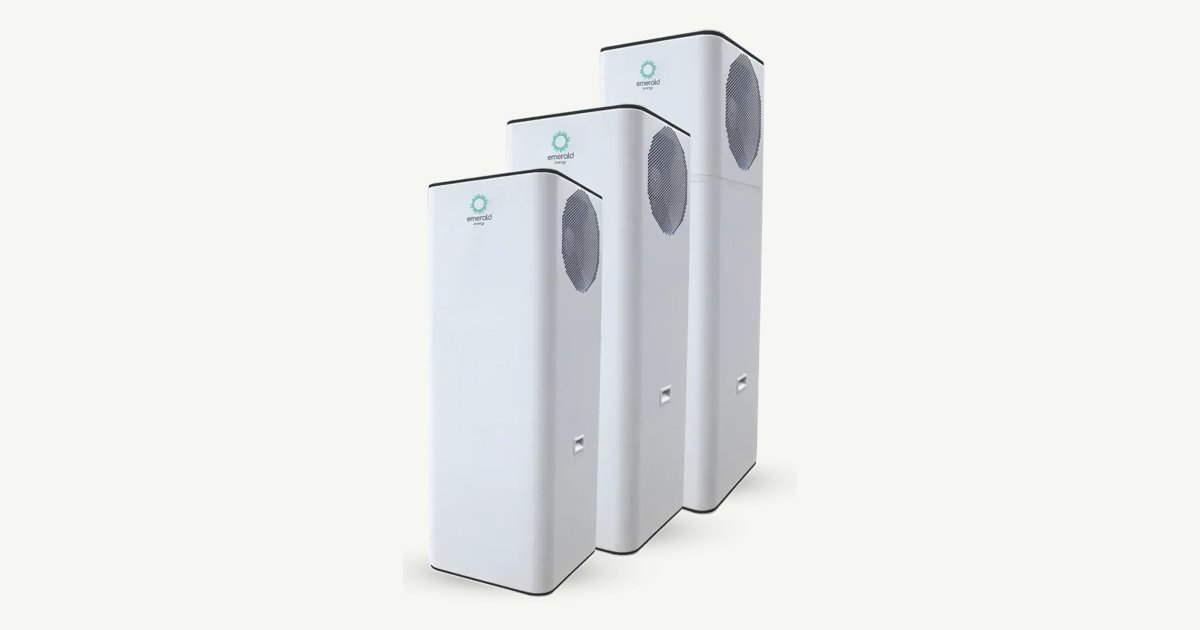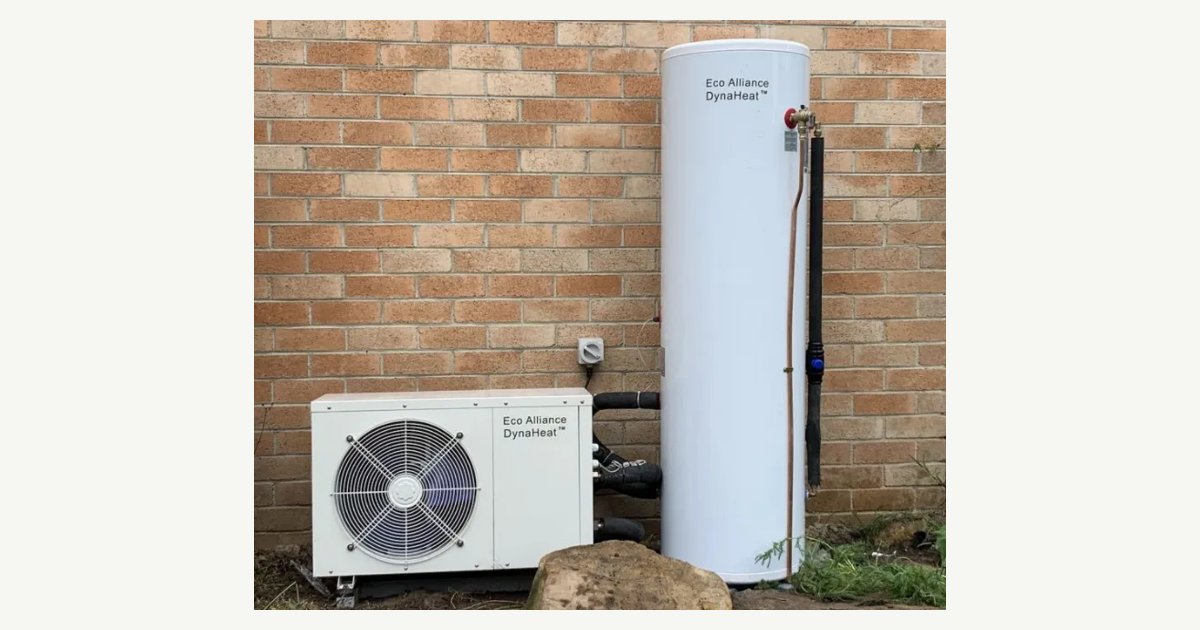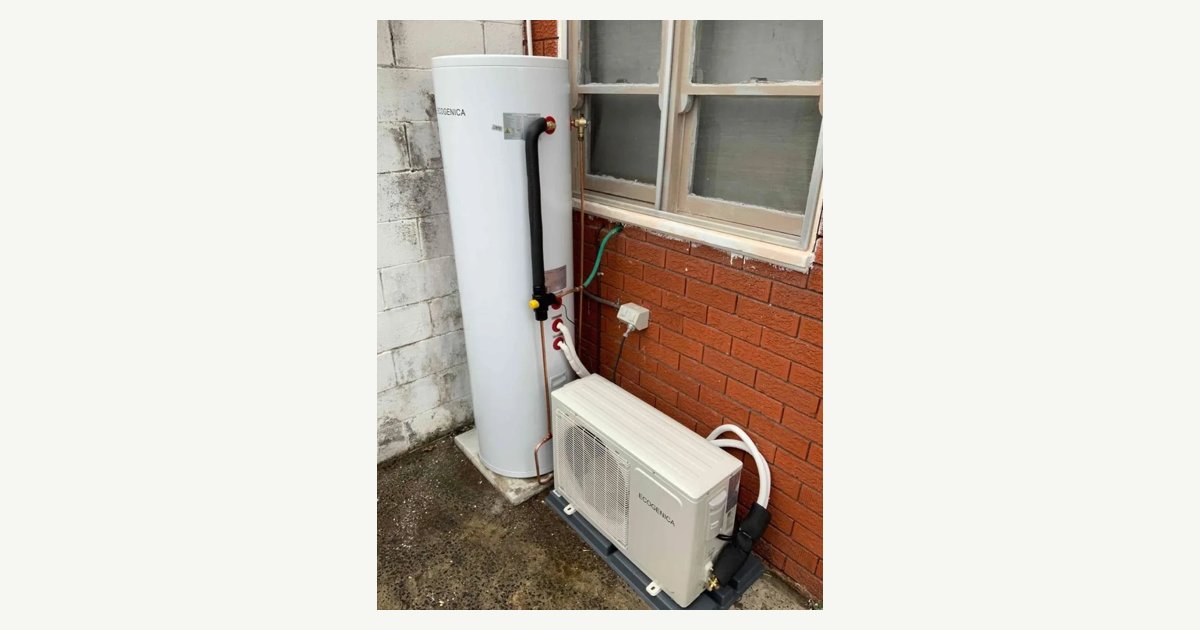
A heat pump hot water system usually uses less electricity than an electric storage tank to heat the same water, because it moves heat from the surrounding air into the water instead of making heat with an element. How much less depends on the model, your climate, your electricity tariff and how your household uses hot water. This guide explains what drives a heat pump's energy use, how to compare models fairly and how to get the most from the system you choose.
How a heat pump uses less energy
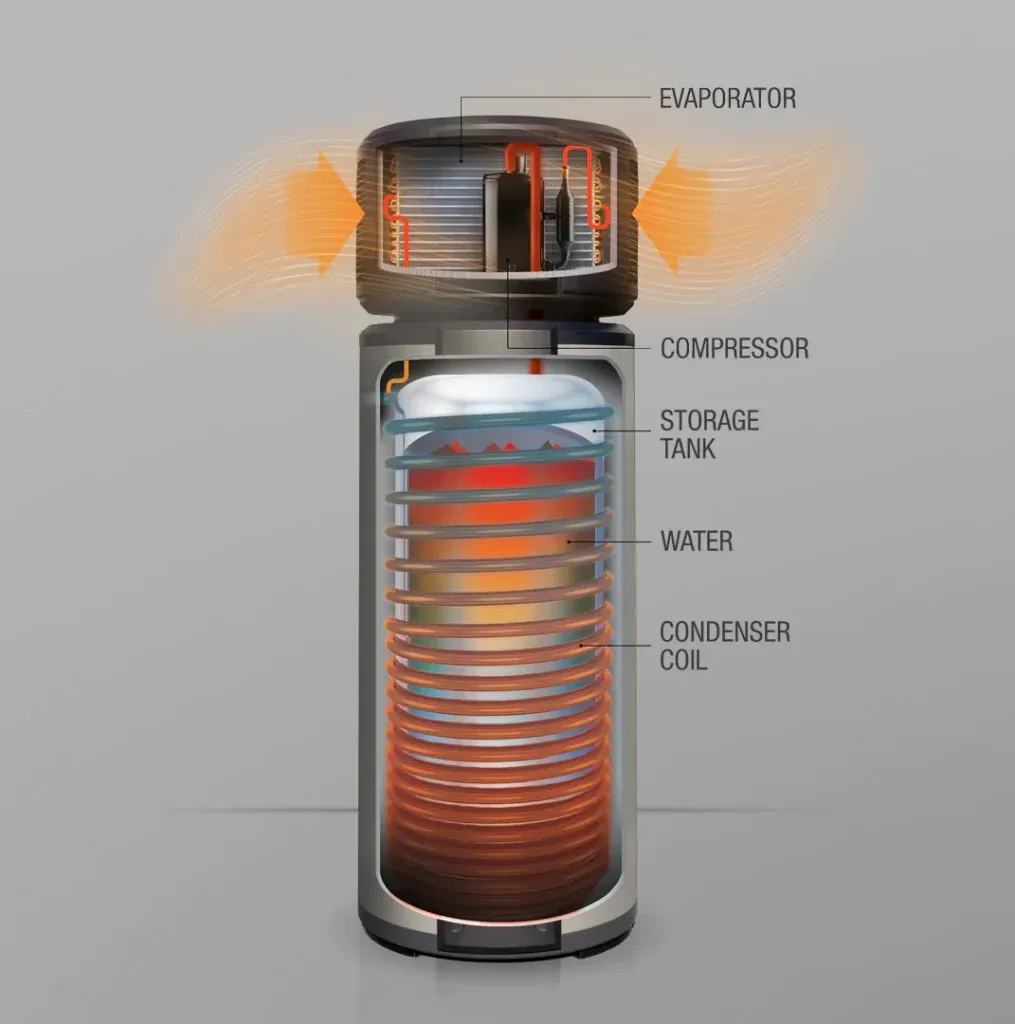
A fan draws outdoor air across an evaporator coil filled with refrigerant. The refrigerant absorbs heat from the air, and a compressor raises its temperature further. A condenser coil then passes that heat into the water in the tank. Electricity runs the fan, compressor and controls, but most of the heat comes from the air. Our guide to how heat pumps work goes into more detail, and the Australian Government's Your Home guide to hot water compares system types.
What decides how much electricity it uses
- The model's efficiency. This is usually expressed as a coefficient of performance (COP): the heat delivered divided by the electricity used. Higher is better, but only when figures are measured under the same conditions.
- Air temperature. Heat pumps work harder when the air is cold, so they use more electricity in winter than in summer.
- The boost element. Many systems have an electric element as back-up. If it runs often, the system behaves more like an electric tank. Check how and when your model uses it.
- Size. A tank that is too small leans on the boost element. One that is much bigger than you need keeps extra water hot for no reason. See choosing a system based on your water usage.
- When it runs. A timer lets you heat water when your electricity is cheaper or when rooftop solar is generating. Daytime air is usually warmer too, which helps a heat pump.
- Your tariff. The same amount of energy costs different amounts on different tariffs. Check with your electricity retailer before you change tariffs.
- Your habits. Shower length, shower head flow and how much hot water the household uses matter as much as the system.
How to compare efficiency fairly
- Get the manufacturer's data sheet or manual for each model, using the full model number.
- Check the conditions behind any COP figure, such as air temperature and water temperatures. Figures from different test conditions can't be compared directly.
- Look at performance in cooler conditions, not just the headline figure.
- If you plan to use a government program, confirm the model is eligible for it. Your installer should check this for the exact model.
- Weigh efficiency alongside storage, recovery, noise and warranty. An efficient model that doesn't suit your household won't serve you well.
Settings that keep running costs down
- If your tariff and timer allow, run the heat pump during the warmer part of the day, especially if you have solar panels.
- Don't leave the boost element switched on permanently unless the manual recommends it.
- Keep the air intake or outdoor unit clear of plants, bins and stored items.
- Don't turn the storage temperature below a safe setting. Stored hot water is kept at 60°C or more to control Legionella bacteria, and the tempering valve limits the temperature at bathroom outlets.
- Fix dripping hot taps and consider an efficient shower head.
Rebates and discounts
Programs such as Victorian Energy Upgrades and the Solar Victoria hot water rebate can reduce the cost of replacing an older system with an eligible heat pump. You may be eligible, but the rules change, and your written quote shows any discount. Our rebates page explains how we help you check.
The range we supply
We currently supply and install heat pumps from ECONOVA, Ecogenica, Chromagen / Midea and iStore. They include all-in-one and split systems, and several models use R290, a natural refrigerant. Compare them on our current range page.
How Le Water can help
We supply and install heat pump hot water systems across metropolitan Melbourne. Tell us how your household uses hot water, what you have now and whether you have solar, and we'll suggest a model and settings that suit. Your written quote sets out the equipment, installation work, old-system removal, warranty terms and any rebate before you decide.