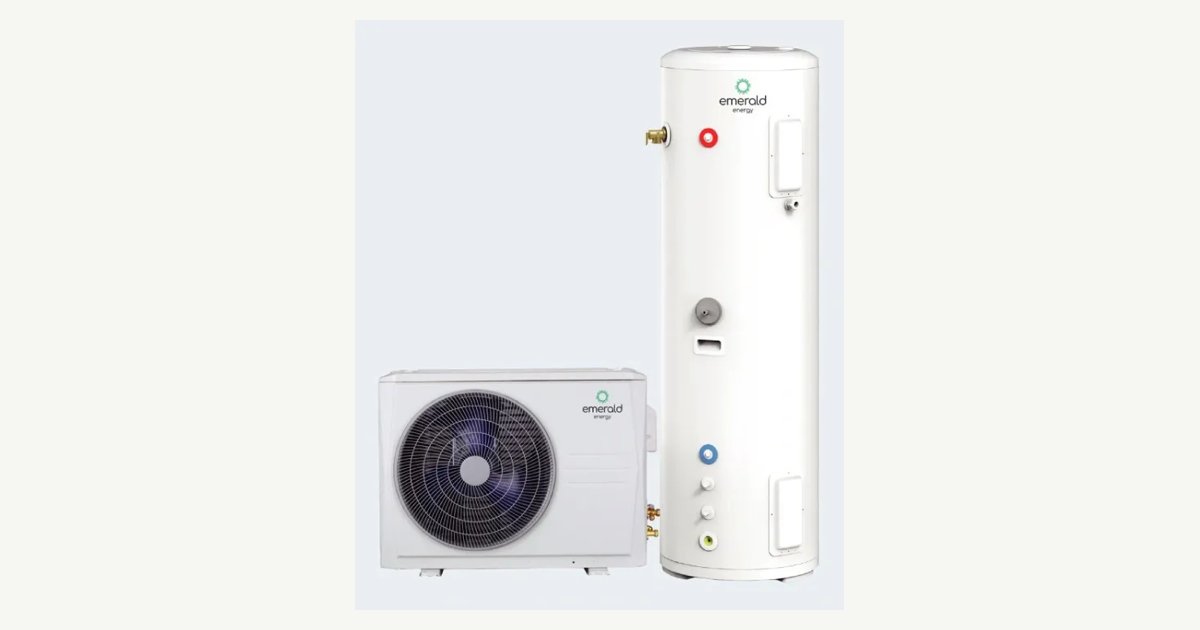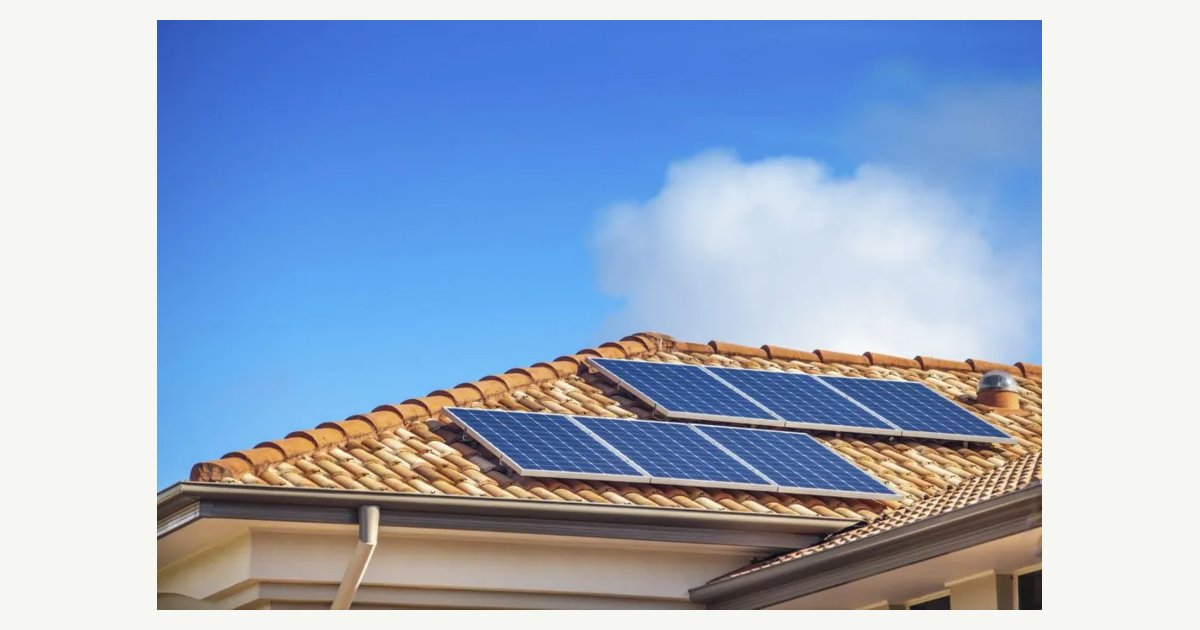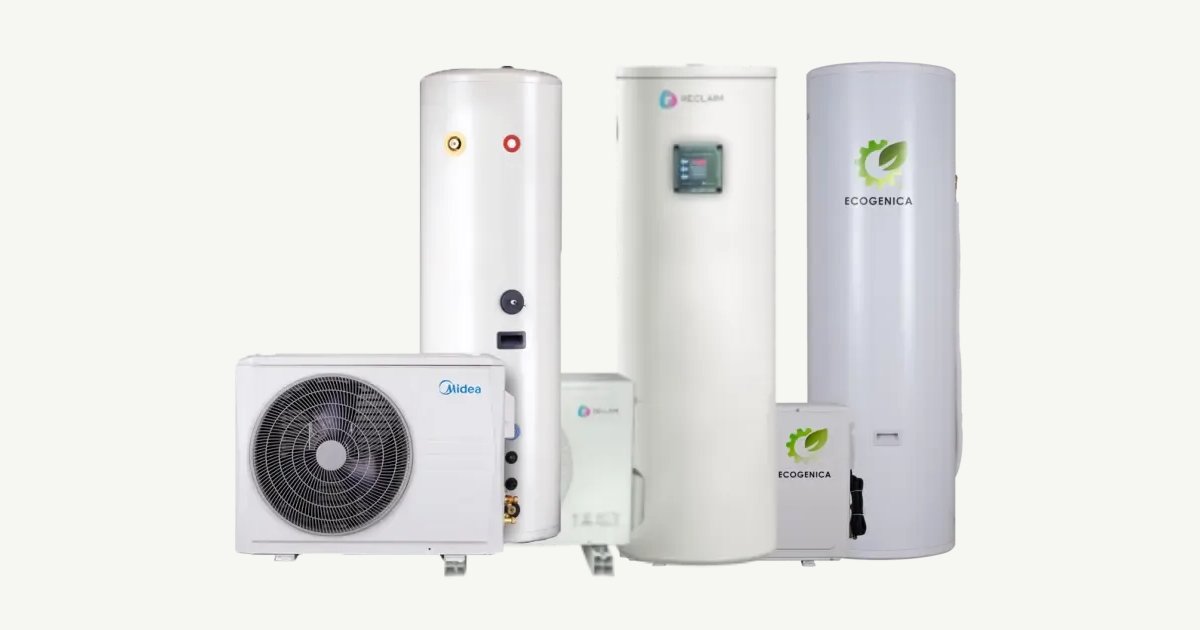
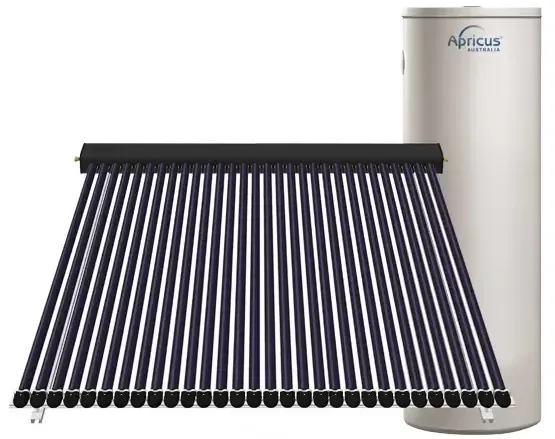
Apricus is known mainly for evacuated-tube solar hot water: rows of glass tubes on the roof that collect the sun's heat and pass it to a storage tank. Its range has also included solar-ready storage tanks and all-in-one heat pumps. Apricus isn't part of Le Water's current range, but this page explains what to compare if you're considering one and what to ask before you buy.

How evacuated-tube solar works
Each tube has an inner and an outer glass wall with a vacuum between them, which cuts the heat lost from the collector. Heat gathered by the tubes is carried to the storage tank, usually at ground level, and a gas or electric booster tops the water up when there isn't enough sun, such as on cloudy winter days. Our guide to vacuum tube solar water heaters explains the design in more detail.
Solar or heat pump: what to compare
| Evacuated-tube solar | Heat pump | |
|---|---|---|
| Energy source | Sun on the roof collector, plus a gas or electric booster | Electricity runs a compressor that moves heat from the air into the water |
| What your home needs | Roof space facing north, with little shade | An outdoor spot with good airflow, or room for a split system's outdoor unit |
| Installation | Roof work, pipes between roof and tank, and a booster connection | Usually ground level, with water, power and a condensate drain |
| Winter | The booster does more of the work when the sun is low | Heats more slowly in cold air; many models have a backup element |
| Noise | Little at the collector, though a circulating pump may run | A fan and compressor you can hear near the unit |
If your roof is shaded, faces the wrong way or is hard to work on, a heat pump is often the simpler choice. If you have good roof space and want to lean on the sun, solar is worth comparing. Running costs for either depend on the model, your climate, your tariff and how you use hot water.
Questions to ask about an Apricus model
- Collector and tank size: how many tubes are matched to the tank, and is that right for your household?
- Booster: is it gas or electric, how is it controlled, and how much will it run in winter?
- Roof: which way the collector will face, how it is fixed, and how a plumber can reach it later.
- Frost and overheating: how the system handles frosty nights, and long sunny days when little hot water is used.
- Heat pump models: storage volume, recovery time, sound level, the coldest air it runs in and the electrical supply it needs.
- Warranty: which parts are covered, what conditions apply, whether you must register the product, and who does warranty work near you.
Check current models, manuals and warranty documents on the Apricus website. Cover can differ between collectors, tanks and heat pump parts, so read the document for the exact model you're quoted.
Rebates depend on the exact model
Solar and heat pump water heaters may be eligible for government support, such as certificates under the federal Small-scale Renewable Energy Scheme and Victorian rebate and discount programs. Eligibility usually depends on the exact model being on an approved list, the system being replaced and how it is installed. Rules change, so check before you commit. Our rebates page explains how we help check what may apply.
Already have Apricus solar?
If an existing Apricus system needs attention, contact Apricus or a licensed plumber. We don't repair solar hot water systems.
How Le Water can help
We don't list Apricus in our current range. If you're open to a heat pump, compare our current range of ECONOVA, Ecogenica, Chromagen / Midea and iStore systems, and we're happy to talk through how an Apricus model you're considering compares. We supply and install across metropolitan Melbourne and quote every job in writing, including removal of the old system.