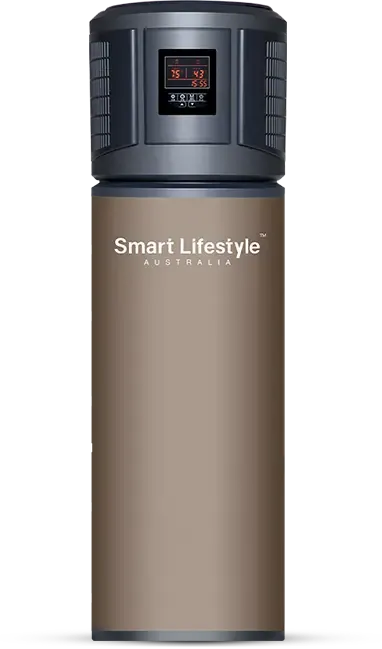
Smart Lifestyle Australia heat pumps like the one pictured are all-in-one systems: the heat pump sits on top of the storage tank in a single unit. Le Water installed Smart Lifestyle systems in the past, but they aren't part of our current range. If you own one, this page covers how it works, the settings worth knowing, where to go for warranty support and what to consider when it's time to replace it.
What changed on this page
The earlier version of this page was product copy written for a past promotion. It quoted efficiency ratings, warranty terms and installation dimensions that we can't confirm today, and compared the system with other brands on that basis. We've removed those figures. If you need the specifications for your unit, use the model number on its data plate and the manufacturer's documents.
How an all-in-one heat pump works
A fan in the top section draws air across a coil containing refrigerant, which absorbs heat from the air. A compressor raises the refrigerant's temperature, and that heat passes into the water in the tank below. Electricity runs the fan, compressor and controls, but most of the heat comes from the air. That's why a heat pump usually uses less electricity than an electric storage tank to heat the same water; how much less depends on the model, climate, tariff and how you use hot water.
Because the heat pump is part of the unit, it needs clear space around the top for air to flow in and out, and it makes a low hum while heating.
Settings worth knowing
The earlier page described a control panel for setting the temperature and run times, and an electric boost for faster recovery. Check your manual to confirm what your model has, then:
- Use the timer, if your model has one. Heating during the day can make better use of rooftop solar, and daytime air is usually warmer, which helps a heat pump.
- Use the boost only when needed. A boost element heats faster but uses more electricity, so keep it for guests or cold snaps.
- Keep the temperature at a safe setting. Stored hot water is kept at 60°C or more to control Legionella bacteria.
Looking after it
- Find the data plate and note the model and serial numbers.
- Keep your invoice, compliance paperwork and warranty documents together.
- Keep plants, bins and stored items away from the top of the unit so air can flow.
- Follow the manual's schedule for operating the relief valve and having the anode checked.
Warranty and support
For a manufacturer warranty claim, contact Smart Lifestyle Australia through its website, with your model and serial numbers, installation date and invoice ready. The warranty documents you received at installation set out what is covered and the conditions. If Le Water installed your system and your question is about the installation itself, contact us with the same details.
For a fault outside warranty, a licensed plumber or the manufacturer is the right contact. Don't open the unit or touch electrical parts yourself.
Replacing a Smart Lifestyle system
An all-in-one is often replaced with another all-in-one in the same position, but the installer needs to check the height, clearances, electrical supply and drainage for the new model. In our current range, all-in-one options include the ECONOVA RVW range, Chromagen / Midea R290 all-in-one systems and iStore 180L and 270L R290 systems. If a split system suits your site better, see Ecogenica.
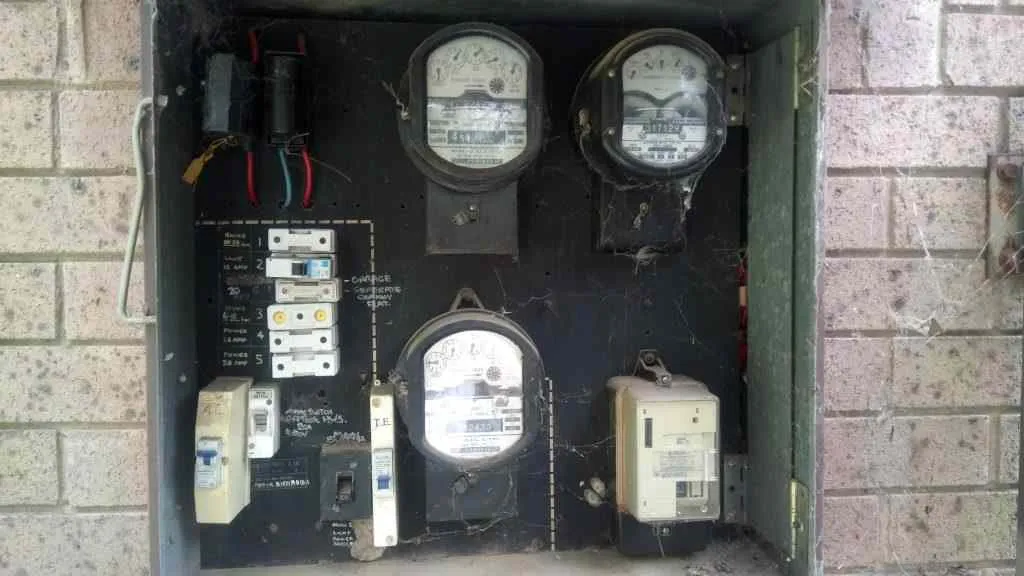
The earlier page also discussed switchboards. If your switchboard still has old ceramic fuses, an electrician may need to upgrade at least the hot water circuit when the new system goes in. The site assessment checks this, and your written quote shows any switchboard work before you decide.
How Le Water can help
We supply and install heat pump hot water systems across metropolitan Melbourne. If your Smart Lifestyle system needs replacing, tell us the model and how your household uses hot water. We'll recommend a suitable system and quote the whole job in writing, including removal of the old unit, any electrical work and the warranty terms that apply.