How a heat pump compares
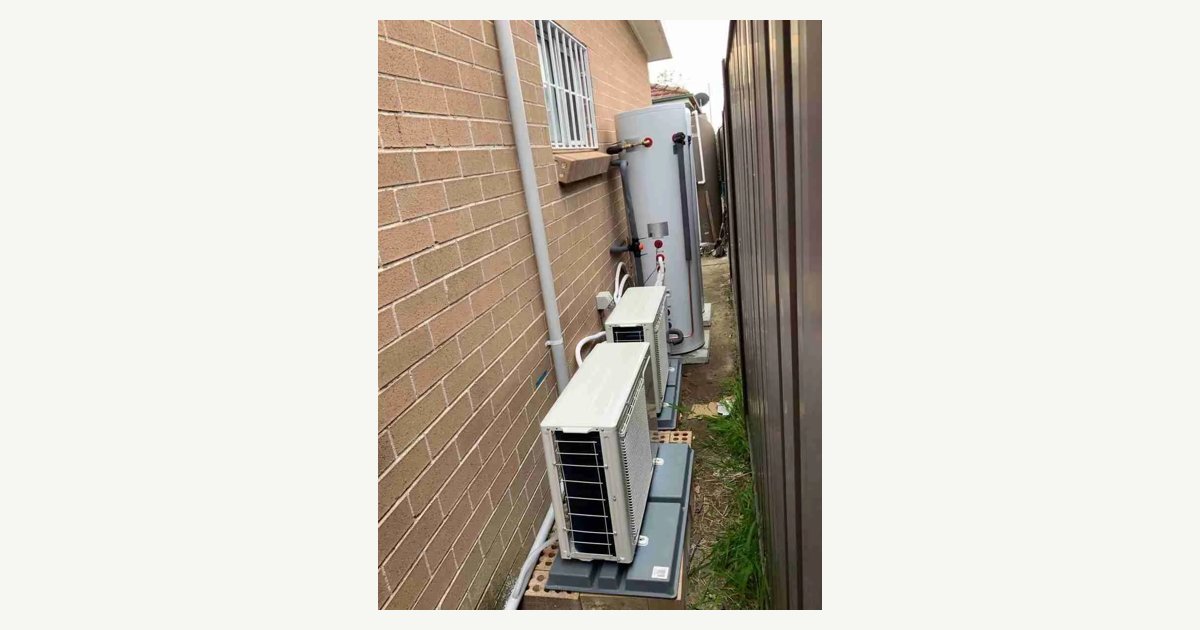
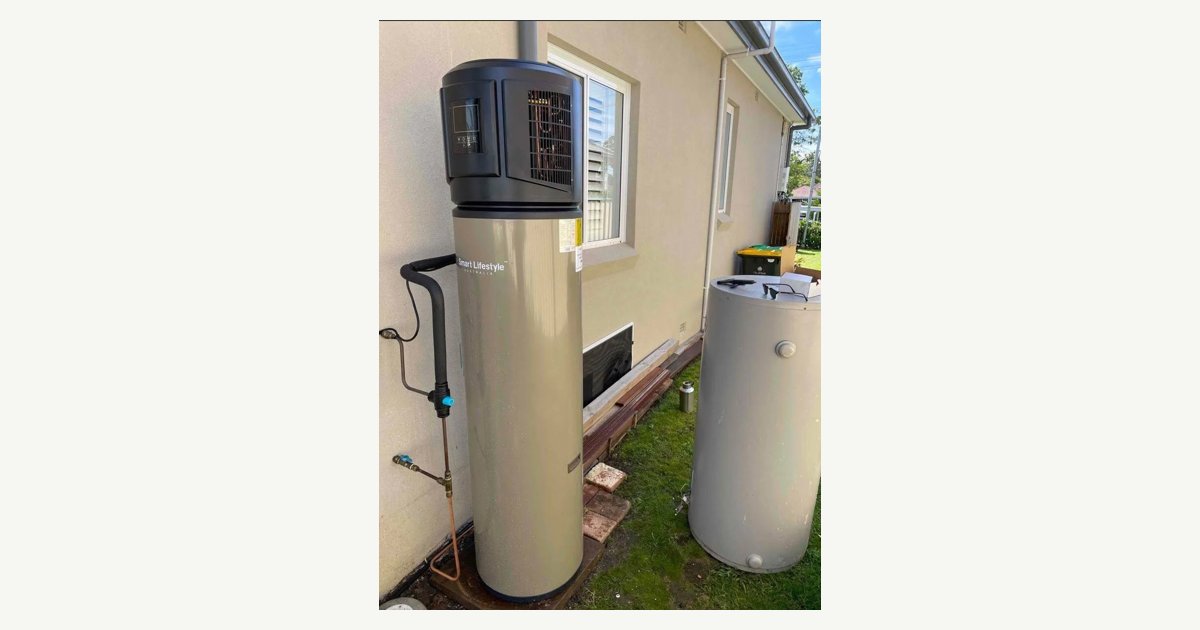
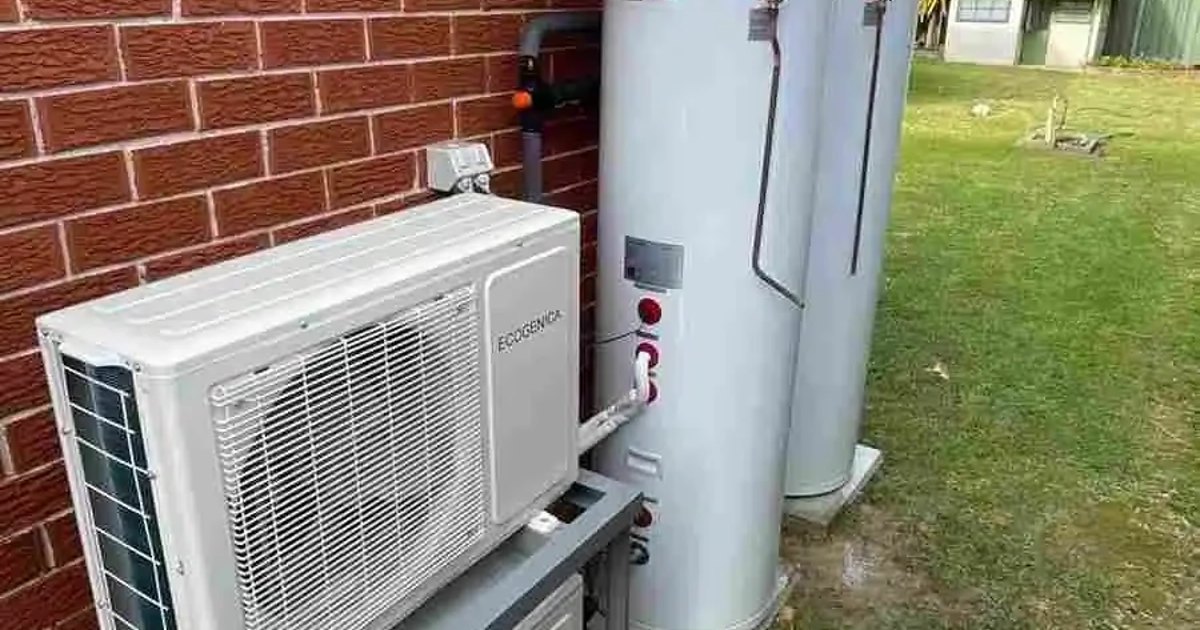
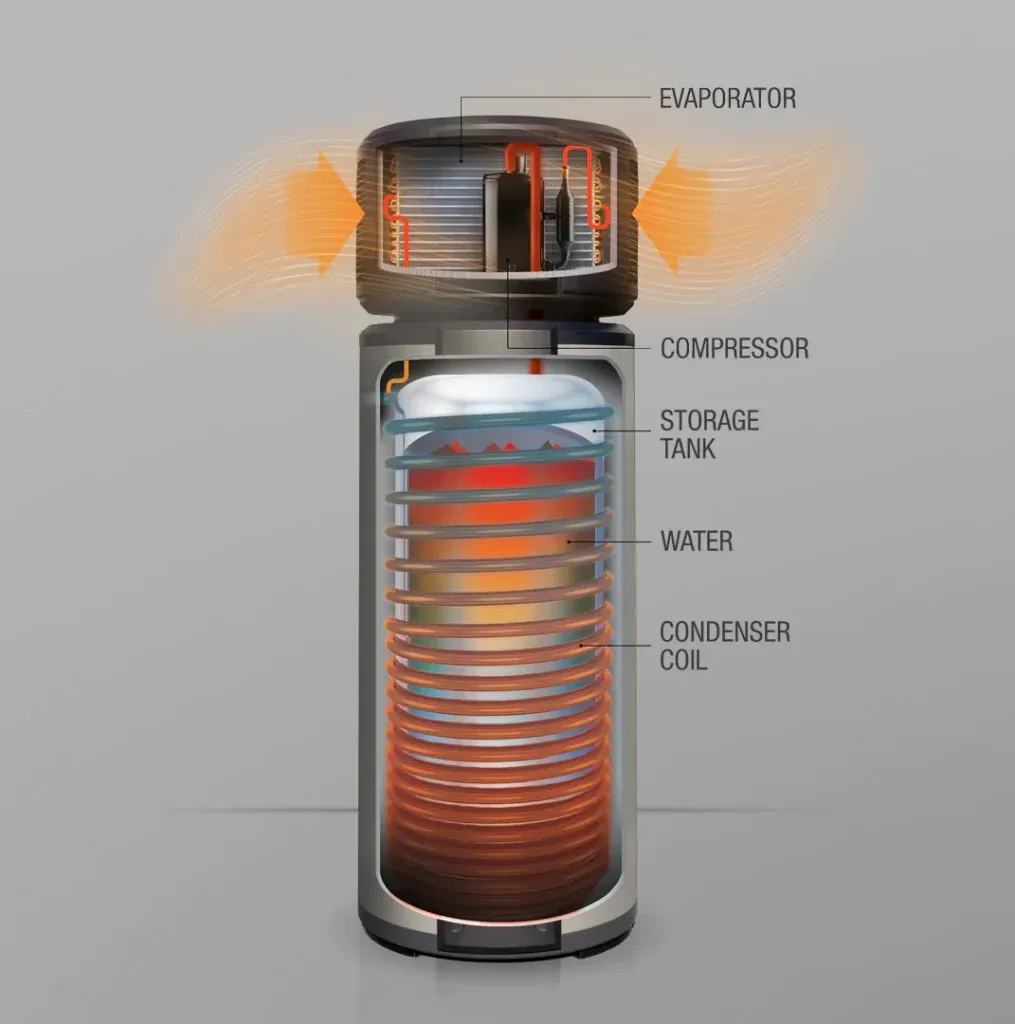
A heat pump works like a reverse air conditioner. A fan draws air over a coil filled with refrigerant, a compressor concentrates that heat, and it passes into the water in the tank. Because it moves heat rather than making it, a heat pump typically uses much less electricity than an element heating the same water. How much less depends on the model, the weather, your tariff and how your household uses hot water, which is why we don't publish savings figures.
Tariffs and timers
Many electric tanks run on an off-peak or controlled-load tariff overnight. Heat pumps work best when the air is warmer, and some manufacturers recommend connecting them differently. Many models have a built-in timer, so the system can run in the middle of the day, which also suits homes with rooftop solar. We'll talk through your tariff and how the system should be set up for your home.
What the installation involves
- A suitable outdoor position with enough airflow, away from bedroom windows where possible.
- A stable base, and connections to the existing hot and cold water pipes.
- An appropriate electrical connection; sometimes switchboard work is needed.
- Removal of the old tank.
- Commissioning, settings and a walk-through of how to use the new system.
Your written quote sets all of this out, with any rebate or discount and the warranty terms. See how installation works.
Rebates
Replacing an electric tank with an eligible heat pump may qualify for Victorian or federal program discounts, depending on your property and the model. See how rebates work.
Choose a system
Compare our current range, read all-in-one vs split, or learn more in how heat pumps work. The Australian Government's Your Home guide to hot water is also a good independent read.